
For Calgary homeowners fixing a patchy lawn, landscapers building new garden beds, or contractors bringing up grades on a property, choosing between screened vs unscreened topsoil can affect both the finish and the amount of work involved. These two materials are not interchangeable. The right choice depends on whether your project needs a clean planting surface, basic fill, or a stable base that will be improved later.
What Is Screened Topsoil?
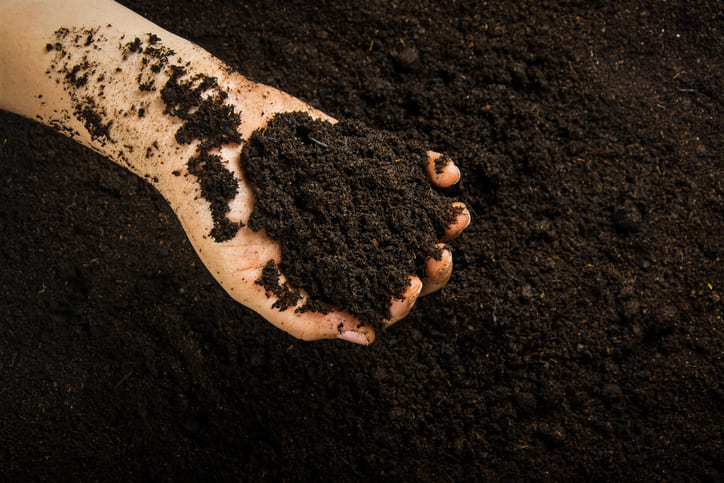
Screened topsoil has been processed to remove larger clumps, rocks, roots, and other debris. The result is a cleaner, more consistent soil that is easier to spread, rake, and level. This makes it a better fit for projects where finish and workability matter, such as new lawns, garden beds, and planting areas.
For projects that need a smooth surface and better planting conditions, screened topsoil and loam is usually the stronger choice. If you want a closer look at where this type of material works best, our article What Is Screened Topsoil Used For? breaks down common landscaping and garden applications.
What Is Unscreened Topsoil?
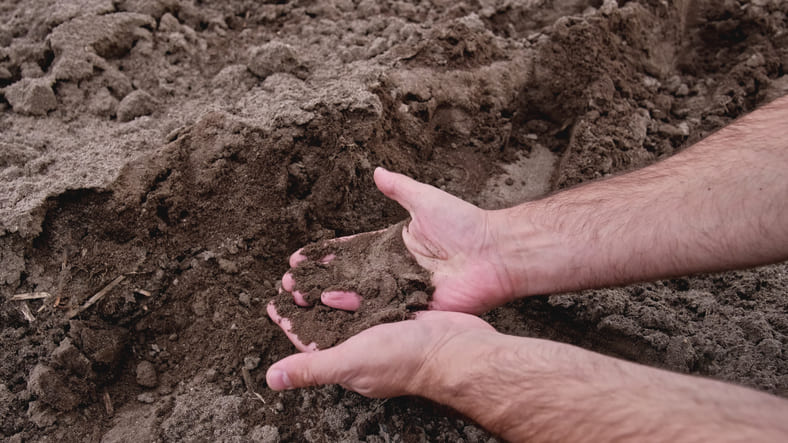
Unscreened topsoil, often called raw loam, has not gone through that extra processing step. It may contain larger chunks of soil, small stones, roots, and other natural material. That does not necessarily make it poor quality, but it does make it less refined and less suitable for finished planting surfaces.
For rough grading, filling low areas, or base work that will be covered later, unscreened topsoil (raw loam) can be a practical option. In these kinds of projects, a perfectly smooth finish is usually not the main priority.
Screened vs Unscreened Topsoil for Different Projects
The main difference between screened vs unscreened topsoil comes down to consistency and intended use. A simple way to compare them is by the following:
● Use screened topsoil for lawns, garden beds, and planting areas where a cleaner finish matters
● Use unscreened topsoil for rough grading, filling holes, and base work that will be covered or improved later
● Use aged compost when an existing soil base needs better structure and more organic value
● Use garden mix, such as Soil Kings’ Premium 50/50 Mix or 70/30 Garden Mix for garden beds and raised planters where better growing conditions and added nutrients are important
If you are planning a lawn or garden project and are not sure how much material to order, our article How Much Topsoil Do I Need? can help you estimate the right amount.
Choosing the Right Topsoil for the Job
When comparing screened vs unscreened topsoil, the best option depends on what the project actually needs. Screened topsoil is usually the better fit for finished surfaces and planting areas, while unscreened soil is often more efficient for rough fill and general grading. Choosing correctly from the start can save time, reduce unnecessary cleanup, and make the next stage of the project easier.
Soil Kings supplies bulk screened topsoil and loam, and aged compost for lawns, gardens, grading, and soil improvement, all without the use of plastic bags. Order today and get the right material in place for a cleaner finish, better planting conditions, and sustainable results from the start.