

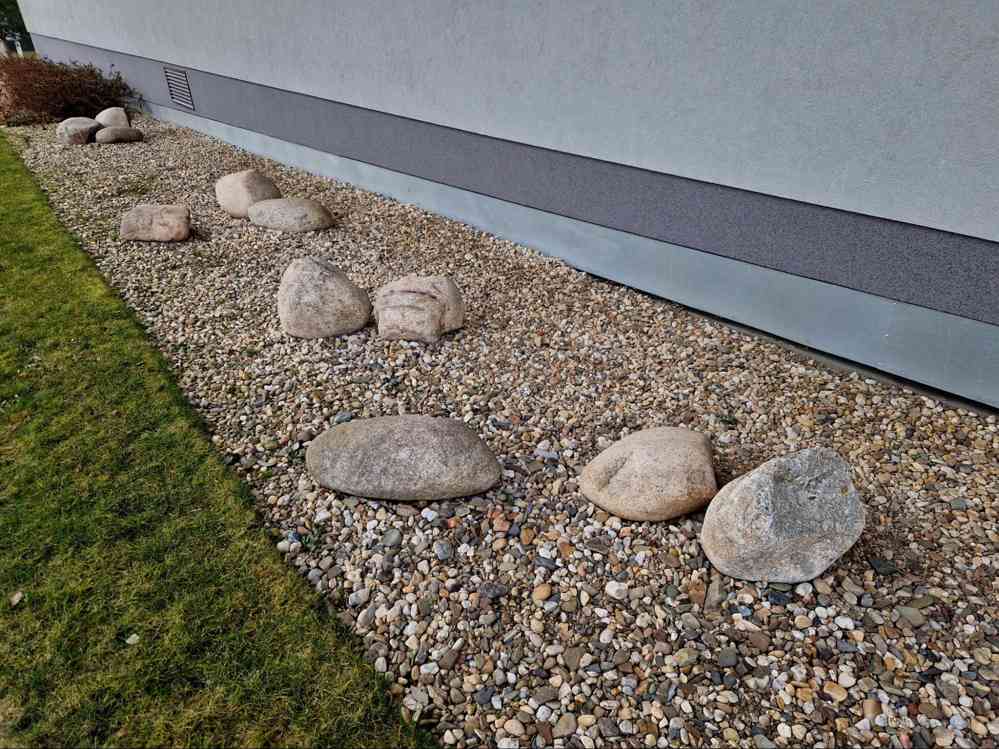
Washed rock is one of the most practical materials used in landscaping because it can serve both functional and decorative purposes. It is commonly used for drainage areas, pathways, dog runs, side yards, garden borders, and low maintenance landscape beds. The main advantage is that washed rock has been cleaned of much of the fine dust, clay, and loose particles that can affect drainage, appearance, and workability.
For homeowners and contractors, that difference matters. A rock that still contains a lot of fines may be useful in projects where compaction is the goal, but it is usually not the best fit where water needs to move freely. Washed rock creates more open space between the stones, which allows water to pass through more easily. That is why it is often used around foundations, in weeping tile systems, along the sides of houses, and in areas where pooling water or mud has become a problem.
Washed rock is also valued for its clean appearance. It can be used to finish decorative beds, create garden pathways, reduce mud around utility areas, and provide a more durable surface than bare soil or organic material in high traffic spaces. Like any landscaping material, it works best when the size, depth, base, and project type are matched properly.
What Does Washed Rock Mean?
Washed rock means stone that has been processed to remove a large amount of dust, clay, sand, and other fine material. The rock is usually screened to a specific size, then washed so the finished material is cleaner and more consistent.
This cleaning process is what separates washed rock from unwashed stone. Unwashed stone may still contain fine particles that fill the spaces between the larger pieces. In some applications, those fines are useful because they help the material pack down tightly. In drainage applications, however, those same fines can reduce water flow.
The purpose of washed rock is not only to make the stone look cleaner. It also improves how the material performs. When there is less dust and clay between the stones, water has more room to move. That makes washed rock a better choice for many drainage and landscaping applications where open space, cleanliness, and long term performance matter.
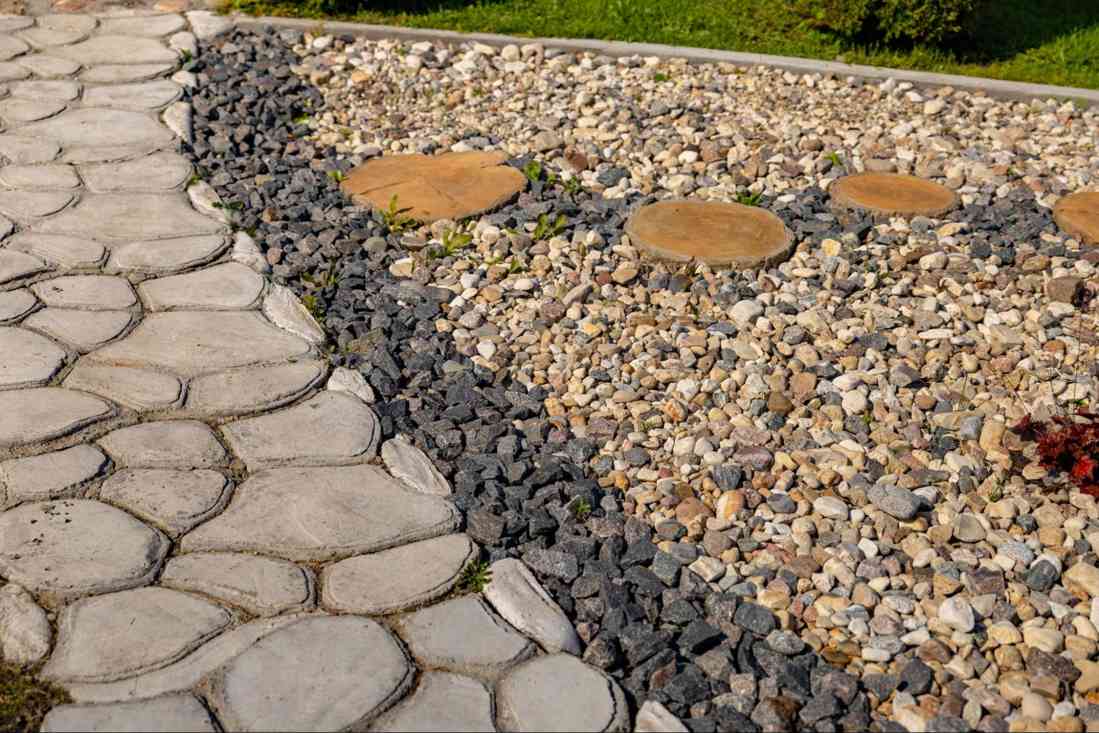
Why Washed Rock Is Commonly Used For Drainage
Drainage is one of the most common uses for washed rock. When water needs to move away from a house, garden bed, retaining wall, or low area, the material around that water path needs to stay open enough for water to pass through. Washed rock helps create that space.
In French drains and weeping tile systems, washed rock is often placed around a perforated pipe. The rock allows water to enter the trench and move toward the pipe rather than sitting against soil or foundation walls. If the material contains too many fines, those small particles can settle into the spaces between stones and reduce the effectiveness of the drainage system over time.
This is why washed rock is often preferred for drainage work over unwashed aggregate. It is not because unwashed material has no use. It is because drainage requires a different function. The goal is water movement, not tight compaction.
For drainage areas where a larger angular stone is needed, 40mm Drain Rock is one example of a product used for drainage systems, erosion control, basement gravel, and French drains. For many residential drainage and landscape projects, 25mm Washed Rock is another common option because it is a mid-sized fractured aggregate used for weeping tile systems, sides of houses, dog runs, erosion control, and general landscaping.
For more information on drainage-focused aggregate projects, our article What Is Drain Rock and How Is It Used In Landscaping? explains how drain rock is used in French drains, foundation protection, dry creek beds, and garden drainage areas.
Washed Rock for Side Yards and Foundation Areas
Side yards are one of the most common places where washed rock is used. These areas are often narrow, shaded, and difficult to maintain. Grass may not grow well, mulch may wash away, and bare soil can become muddy after rain or snowmelt. Washed rock gives the area a cleaner, more durable surface while also helping water move through the top layer more easily.
Around foundations, washed rock can help reduce soil splash, surface mud, and standing water near the house. It is often installed beside homes where maintenance access is needed or where the homeowner wants a clean strip that does not need mowing or seasonal replacement.
However, washed rock should not be used to hide a grading problem. If water is already flowing toward the house, the slope should be corrected before rock is installed. Washed rock can support better drainage, but it cannot reverse poor grading on its own. The ground below the rock still needs to direct water away from the structure.
This is one of the most important points in any drainage project. Rock is part of the system, not the whole system. Proper slope, depth, fabric, pipe placement, and outlet location all affect how well the area performs.
Washed Rock for Pathways and Walkways
Washed rock is also used for informal pathways and garden walkways. It drains well, looks natural, and can be easier to install than pavers or concrete. It works especially well for access paths, garden paths, side yard walkways, and areas where a softer landscape finish is preferred.
The size and shape of the rock matter. Smaller round rock can be more comfortable underfoot, but it may move more easily. Angular rock can feel less smooth, but it often locks together better because of its fractured edges. The right choice depends on how the path will be used.
For finer garden path applications, 7-10mm Round Natural Washed Rock is an example of a smaller natural washed rock. It is also commonly referred to as pea gravel. Its smaller size gives it a more refined look, but edging is important because smaller round stones can spread into lawns or planting beds if they are not contained.
Pathway installation should also include a stable base. If washed rock is placed directly over soft soil, the path may shift, rut, or settle unevenly. A compacted base, landscape fabric, and defined edging help keep the material in place and improve long term performance.
Washed Rock for Decorative Landscaping
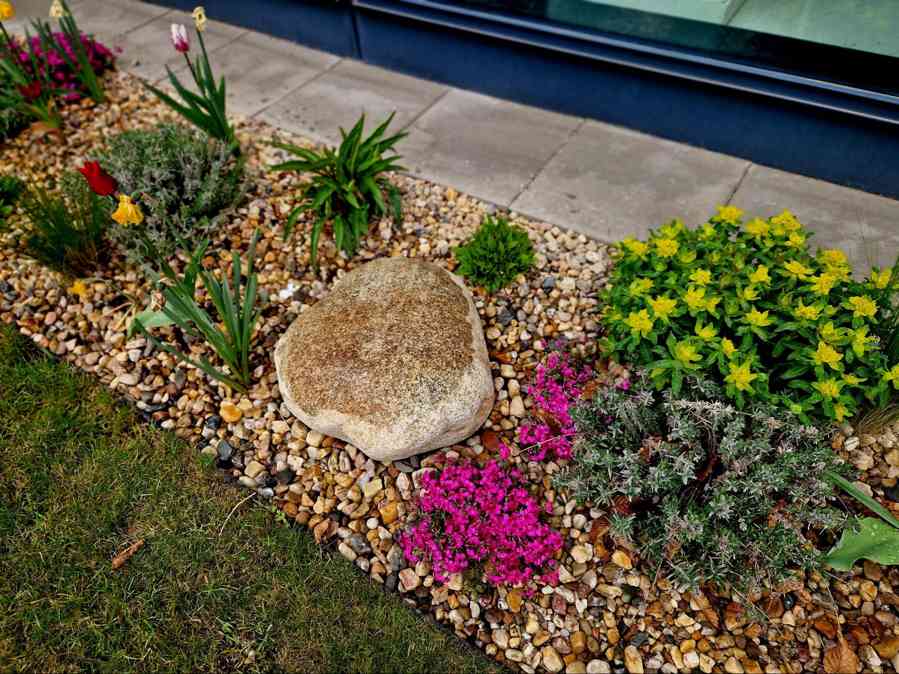
Washed rock is often used in decorative landscaping because it creates a clean, finished look without requiring the same seasonal replacement as mulch. It can be placed around shrubs, trees, fences, houses, utility areas, and garden borders. It can also be used to create contrast against plants, siding, edging, and hardscape features. For decorative use, our 20mm Round Natural Washed Rock is one example of a rounded washed rock that gives a softer appearance than angular stone.
Round washed rock is often chosen where the look of the material matters as much as its function. For a detailed look at how washed rock material supports both appearance and performance, our article on The Benefits and Uses of Washed Rock explains why washed rock is commonly used in gardens, pathways, driveways, and drainage areas where a clean surface and reliable water movement both matter.
Decorative rock is useful when the goal is a low maintenance surface. Unlike mulch, rock does not decompose. That means it does not need to be topped up in the same way each year. However, it also does not add organic matter to the soil. For planting beds that need soil improvement, aged compost or mulch may still be a better fit around certain plants. Our article Choosing The Best Decorative Rocks for Your Project gives more context on how decorative aggregates can be used for drainage, dog runs, pathways, and barriers beside the home.
This is why decorative rock should be chosen based on both appearance and function. A rock bed beside a house may need drainage and a clean finish. A shrub bed may need moisture management and weed control. A high visibility front yard feature may need colour, texture, and long term durability. For more planning ideas, our article Front Yard Landscaping Ideas with Rocks explains how rock can be used to create cleaner, lower maintenance front yard areas while still supporting curb appeal.
Washed Rock for Dog Runs and Utility Areas
Dog runs need a surface that drains well and does not turn into mud. Washed rock is often used in these areas because it allows liquid to move through the surface more easily than compacted soil. It is also more durable than many organic materials in spaces that receive repeated foot traffic.
The size of the rock is especially important in dog runs. Larger rock can be uncomfortable for paws. Very small rock may scatter or track out of the area more easily. The goal is to choose a size that balances drainage, comfort, and maintenance.
For this type of use, 14mm Washed Rock is one example of a smaller angular washed rock. It is often used for dog runs because it is smaller than many standard washed rock products while still allowing drainage through the surface.
A dog run should still be built with proper grading and preparation. Washed rock can improve the surface, but water still needs somewhere to go. In some cases, a drainage layer, landscape fabric, or a prepared base may be needed below the finished rock layer.
What Is the Difference Between Washed and Unwashed Stone?
The difference between washed and unwashed stone comes down to how much fine material remains in the aggregate. Washed stone has been cleaned to remove much of the dust, clay, and small particles. Unwashed stone has not gone through the same cleaning process and may contain more fines.
Washed stone is generally better for drainage, decorative areas, dog runs, side yards, and visible landscape surfaces. It creates a cleaner finish and allows water to move through more easily.
Unwashed stone can still be useful, but usually in different applications. If a project needs a compacted base, fine particles can help the material bind together. That is useful for some road base or structural applications. It is not usually ideal for drainage because those fines can fill the spaces that water needs to move through.
A simple way to think about the difference is this: washed rock is usually chosen for drainage and clean finish, while unwashed stone is more likely to be used where compaction and base building are the priority.
How To Make Landscape Rocks Look Wet Permanently
Landscape rocks often look darker and richer after rain or watering. To create that wet look more permanently, it is recommended to use a stone enhancer or wet look sealer designed for outdoor rock. These products coat the surface of the stone and deepen the colour.
The rock should be clean and dry before any sealer is applied. Dust, soil, and moisture can prevent the finish from applying evenly. It is also important to test a small area first because different types of stone absorb coatings differently. Some products leave a glossy finish, while others create a more natural darkened appearance.
A wet look finish is usually best suited to decorative areas, not functional drainage areas. In a drainage zone, dog run, or utility space, performance should matter more than appearance. Sealers may also wear down over time and may need to be reapplied, especially in areas exposed to sun, snow, ice, and freeze-thaw conditions.
For decorative projects, a wet look sealer can improve colour and contrast. For practical projects, choosing the right type, size, and colour of rock from the beginning is usually more important than adding a finish later.
How Much Does a Yard of Washed Rock Cover?
A yard of washed rock means one cubic yard. The amount it covers depends on how deep the material is installed. The deeper the layer, the less surface area one yard will cover.
A general estimating guide is:
One cubic yard covers about 324 square feet at 1 inch deep, about 162 square feet at 2 inches deep, about 108 square feet at 3 inches deep, and about 81 square feet at 4 inches deep.
For decorative beds, many projects use a depth of about 2 to 3 inches. For pathways, dog runs, and higher traffic areas, 3 to 4 inches may be more practical depending on the base and edging. Drainage trenches require a different calculation because trench width, trench depth, pipe size, and backfill depth all affect the amount needed.
The best approach is to measure the actual area before ordering. Length multiplied by width gives the square footage. From there, the planned depth determines how many cubic yards are required. It is also useful to allow for some variation because ground surfaces are rarely perfectly even.
Common Mistakes When Using Washed Rock
One common mistake is installing washed rock too shallow. A thin layer may expose fabric, shift under foot traffic, or look uneven after settlement. Another common mistake is skipping edging on pathways and borders. Without edging, rock can migrate into lawns, planting beds, and paved areas.
Another mistake is using washed rock where a compactable material is necessary. Washed rock is designed to drain because it contains open space between the stones. That also means it does not compact the same way as road gravel or crusher dust. For driveways, paver bases, and areas that need a firm compacted surface, a different aggregate may be the better choice. For example, our 20mm Road Gravel is a sand and gravel mix commonly used as a compacting layer underneath concrete and paving stones, and can also be used for gravel driveways or parking pads.
Washed rock can also perform poorly when placed directly over weeds, soft soil, or poor grading. Landscape fabric can help separate rock from soil and reduce weed growth, but it does not replace proper site preparation. The base still needs to be stable, the slope still needs to move water in the right direction, and the finished depth still needs to match the project.
Choosing the Right Washed Rock for the Job
The best washed rock depends on the purpose of the project. A drainage trench beside a foundation may need a different product than a decorative garden border. A dog run may need a smaller stone than a dry creek bed. A pathway may need a material that balances comfort, stability, and appearance.
The goal is not to choose one washed rock for every project. The goal is to match the material to the function of the space. Washed rock is useful because it can improve drainage, reduce mud, create cleaner walkways, support dog run surfaces, and finish decorative areas with a durable low maintenance material.
When used correctly, washed rock gives outdoor spaces a cleaner surface and better long term performance. It works best when the rock size, depth, base preparation, and drainage needs are considered together before installation. For homeowners, landscapers, and contractors planning drainage, pathway, dog run, or decorative projects, washed rock remains one of the most reliable aggregate options for building outdoor areas that are practical, clean, and easier to maintain.
Soil Kings supplies washed rock, drain rock, decorative aggregates, gravel, sand, soil, compost, and mulch throughout Calgary and the surrounding area, helping customers choose the right material for each part of the project. All materials are delivered loose in bulk or loaded directly into trucks, with zero plastic bags and no unnecessary packaging waste. Order today and get the right bulk aggregate in place for a cleaner, stronger, and more practical landscaping result.