

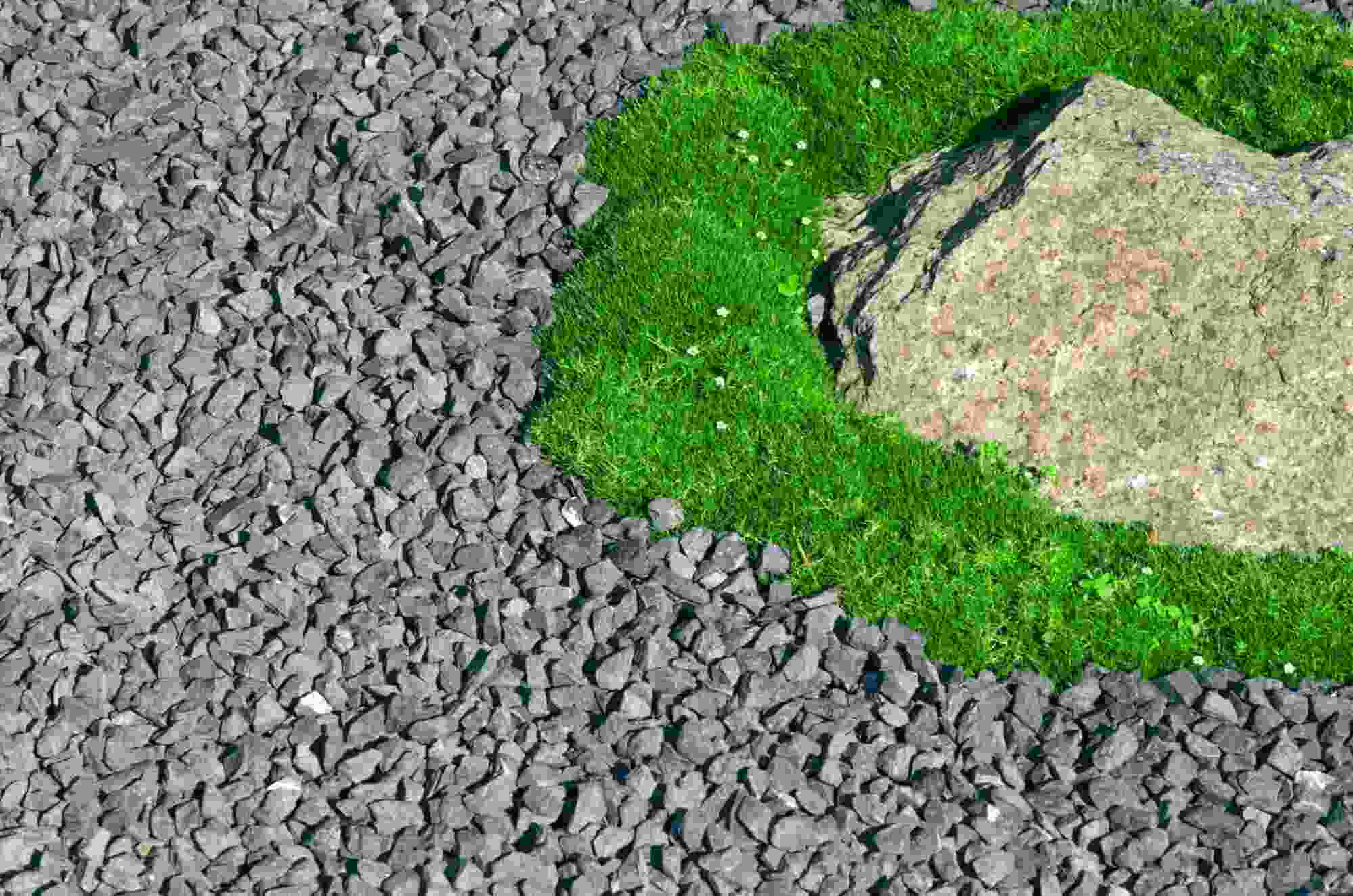
Rundle rock is one of the most recognizable decorative stones used in Calgary and Southern Alberta landscapes. It has a natural charcoal grey colour, an angular shape, and a clean mountain-stone appearance that works well in pathways, garden beds, borders, dry creek beds, and low maintenance yard designs. For homeowners, landscapers, and contractors, it is often chosen when a project needs a durable rock that looks more natural than brightly coloured decorative stone.
When people ask, “what is rundle rock,” they are likely trying to understand whether it is mainly decorative, functional, or both. The simple answer is that rundle rock is a natural stone commonly associated with the Rocky Mountain region and used throughout landscaping because of its rugged appearance, strong contrast, and practical surface coverage. It can help reduce exposed soil, improve the look of planting areas, create defined pathways, and support decorative drainage features when the right size and installation method are used.
Like any landscape aggregate, rundle rock works best when it is matched to the project. A visible garden bed has different needs than a drainage swale, a walking path, or a side yard. Understanding how the rock behaves, where it looks best, and where a finer or more drainage-focused material may be better will help you choose the right product before installation begins.
What Is Rundle Rock?
Rundle rock is a natural decorative stone known for its dark grey to charcoal colour and angular texture. In landscaping, it is typically used as a surface material rather than a compacted base. Its fractured shape gives it a more rugged and natural look than rounded stone, while its darker colour creates strong contrast against green lawns, shrubs, ornamental grasses, mulch, and lighter hardscape materials.
The name comes from the Mount Rundle area near Banff and Canmore, where rundle stone is strongly associated with the regional mountain landscape. That local connection is part of what makes it popular in Alberta yards. It feels appropriate for the setting because it reflects the darker stone tones found in the surrounding Rockies.
Rundle rock is mainly used to finish outdoor spaces by covering bare soil, defining planted areas, and adding a durable, low maintenance decorative surface.
For projects where a darker decorative aggregate is the goal, Soil Kings’ 25mm Rundle Rock, 40mm Rundle Rock, or the larger 50-90mm Rundle Rock can be used to give the landscape a clean and finished look while still feeling natural and grounded.
Why Rundle Rock Is Popular in Calgary Landscapes
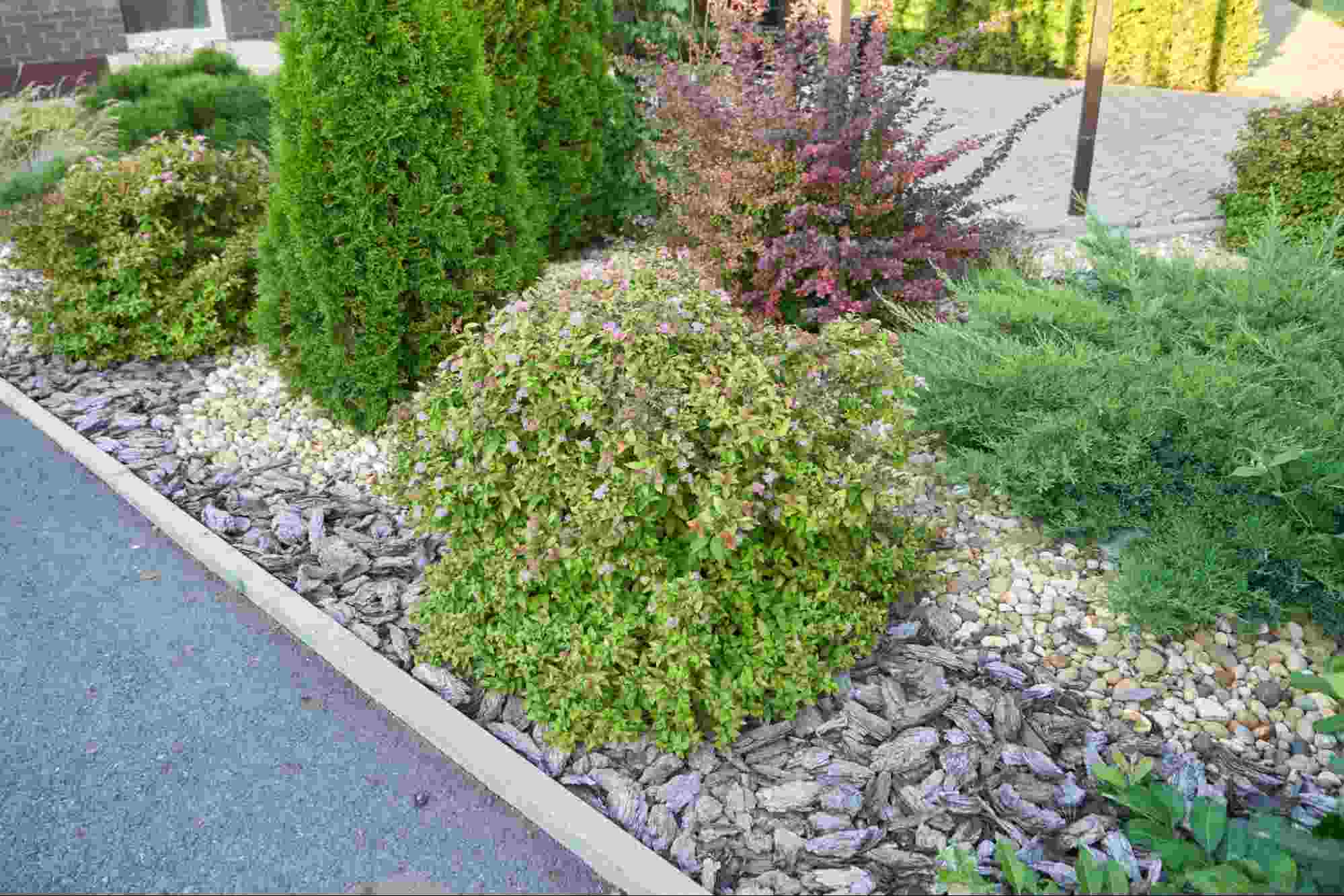
Rundle rock fits Calgary landscapes well because it handles the visual and practical demands of local yards. Calgary properties often deal with freeze-thaw cycles, dry summers, spring runoff, exposed side yards, and areas where grass or organic mulch may not be the best long term solution. A properly installed rock surface can help create a cleaner, more durable finish in those spaces. One reason rundle rock is so popular is its colour. The dark grey tone works with many different exterior finishes, including stucco, brick, wood, black trim, concrete, and natural stone. It can look modern in a minimalist front yard, rustic around a mountain-style home, or practical in a side yard that needs a cleaner surface. It is also a good option for homeowners who want a low maintenance landscape material. Organic mulches break down over time, which is useful in garden beds but also means they need to be topped up. Rock does not decompose in the same way. Once installed properly, rundle rock can remain in place for many seasons with basic upkeep. That does not mean rock is maintenance free. Leaves, soil, weeds, and debris can still collect on top of any aggregate. However, compared with bare soil, worn grass, or loose organic material in certain locations, rundle rock can reduce mud, create a tidier surface, and make the area easier to manage.Common Landscaping Uses for Rundle Rock
Rundle rock is most often used in decorative and low maintenance landscape areas where appearance matters as much as function. Because it is dark and angular, it creates strong definition and works well where the goal is to make a space look intentional rather than unfinished. Common uses include:● Decorative garden beds around shrubs, trees, and perennials
● Pathways and stepping stone areas where a natural rock look is desired
● Side yards where grass struggles or mud becomes a problem
● Dry creek beds and decorative drainage features
● Borders along fences, patios, driveways, and house foundations
● Low maintenance front yard designs with boulders, grasses, and shrubs
● Accent areas around landscape lighting, retaining walls, and hardscape features
For the best results, rundle rock should be installed on a properly graded, edged, and prepared surface rather than used to cover an underlying issue. For comparison, our article Enhance Your Landscape with Tan Rocks explains how lighter decorative stone creates a warmer look, while rundle rock offers a darker, bolder, more natural mountain-style finish.Rundle Rock for Decorative Garden Beds
Garden beds are one of the most common places to use rundle rock because it creates a finished surface, reduces exposed soil, and makes greenery stand out. It works best in structured beds with shrubs, grasses, boulders, and long lasting perennials rather than areas that are replanted often. Before installation, remove weeds, grade the soil properly, add edging where needed, and use landscape fabric carefully so water can still reach plant roots. If the existing bed soil is workable but needs better organic matter before the rock is installed, our Aged Compost can be blended into the planting area to improve soil structure, nutrient value, and moisture retention. For new or rebuilt planting beds, Soil Kings’ 70/30 Garden Mix may be a better choice when the bed needs a more complete growing base with improved soil structure, organic value, and support for shrubs or perennials. Rundle rock does not feed the soil, so it should not be treated like compost or mulch in planting beds. If the bed needs better growing conditions, soil improvement should happen before the rock is installed. Once the plants are in place and the soil base is prepared, rundle rock can be added as a decorative surface layer.Rundle Rock for Pathways and Walkable Areas
Rundle rock can be used in pathways, but the size of the material and the expected foot traffic matter. Larger decorative rock may look attractive, but it can be less comfortable to walk on than smaller aggregate or compacted pathway material. For casual stepping stone paths, garden walkways, or decorative routes through planting areas, rundle rock can work well when it is paired with pavers, slabs, or larger stepping stones. For a pathway that will be walked on daily, the surface needs to feel stable. Angular stone can shift underfoot if it is too deep or installed without proper containment. Edging helps keep the rock from spreading into lawn or beds, and a prepared base can improve the finished result. In many cases, rundle rock is best used around stepping stones rather than as the only walking surface. If the project needs a finer, more compactable surface, Soil King’s 10mm Rundle Fines are a better option. Fines are smaller particles that can settle more tightly, making them more suitable for certain pathway and surface applications. For more detail on choosing between the two, read our article Rundle Fines vs Rundle Rock, What to choose for Your Project to understand how the size and texture of each material affect where it should be used. This distinction is important because homeowners often choose based on colour alone. Colour matters, but the way the material performs under foot traffic matters just as much. A decorative bed and a walking path may use the same colour family but still require different aggregate sizes.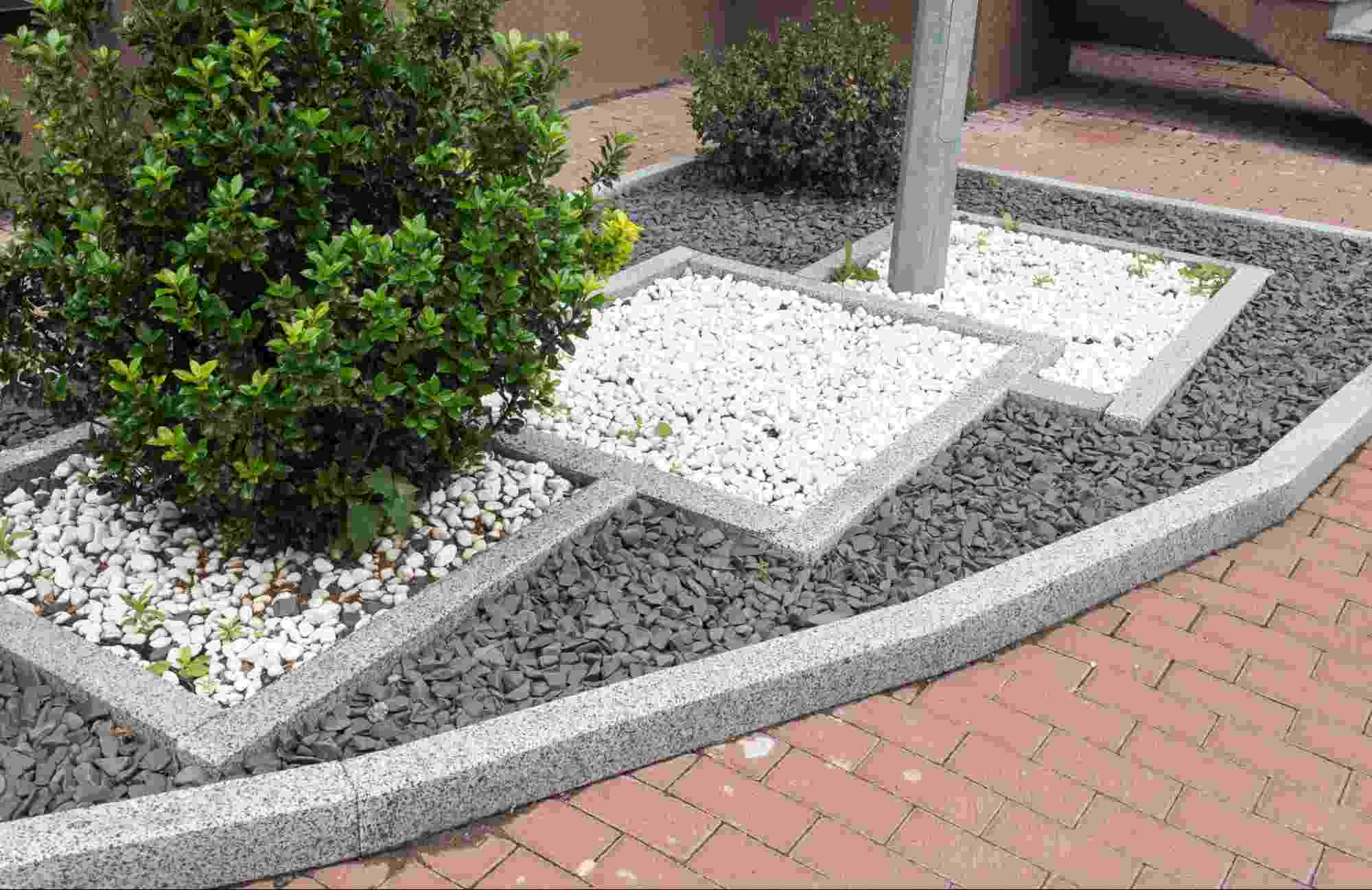
Rundle Rock for Side Yards and Low Maintenance Areas
Side yards are often narrow, shaded, or muddy, making them difficult to maintain. Rundle rock can create a cleaner, more durable surface, but the area should still be graded properly so water moves away from the house. If drainage is a concern, the project may also need a drainage layer, proper slope, or a washed aggregate beneath or beside the finished surface.
For side yards where drainage and a smaller, cleaner aggregate surface are more important than a bold decorative finish, Soil Kings’ 14mm Washed Rock may be a better fit than rundle rock because it is commonly used for dog runs, drainage areas, and low maintenance utility spaces.
This is where it helps to understand the difference between decorative rock and drainage rock. Rundle rock can improve the look of a side yard and provide a more durable surface than soil, but it should not automatically be used as the main material for every drainage problem. If water needs to move through the system, a washed rock product may be more appropriate.
25mm Washed Rock may be a better fit than decorative rundle rock for projects where water movement is the primary concern, because it is intended for applications where cleaner stone and open space between pieces help water pass through. For a detailed explanation on how washed stone is used for drainage areas, side yards, dog runs, and foundation zones, read our article Washed Rock: Benefits and Common Uses in Landscaping.
Rundle Rock in Dry Creek Beds and Drainage Features
Dry creek beds are a beautiful way to use rundle rock because they turn a drainage path or low spot into a designed landscape feature. Its dark grey colour creates a natural Rocky Mountain look, especially when paired with boulders, grasses, shrubs, and other stone sizes.
Even when decorative, a dry creek bed should be graded so water follows the intended route. If it needs to carry runoff during rain or snowmelt, drainage performance should come before visual design.
For areas with more serious water movement needs, larger drainage aggregate may be part of the solution. Soil Kings’ 40mm Drain Rock can be used for drainage systems, erosion control, basement gravel, and French drains. It is not chosen for the same reason as rundle rock. It is chosen when the project needs open space for water movement. In some projects, rundle rock may be used as the visible decorative finish, while drain rock is used where performance below the surface matters most.
For information on how drainage aggregate supports French drains, retaining walls, dry creek beds, and wet areas, read our article What Is Drain Rock and How Is It Used In Landscaping? to understand when compactable limestone fines are the right choice and when a more open drainage aggregate may perform better.
Rundle Rock Around Trees, Shrubs, and Foundation Areas
Garden beds are one of the most common places to use rundle rock. It gives planting areas a finished surface while helping reduce exposed soil between plants. The dark colour can make greenery stand out, especially around ornamental grasses, evergreens, shrubs, and drought tolerant perennials.
Rundle rock works particularly well in beds designed for long term structure rather than seasonal replanting. Before installation, weeds should be removed, the area should be graded properly, and edging should be installed where needed. Landscape fabric is often used beneath decorative rock to help separate the stone from the soil below.
Because rundle rock does not improve soil quality like compost or mulch, any soil amendments should be completed before the rock is installed.
Rundle Rock Compared to Other Decorative Aggregates
Rundle rock is not the only decorative aggregate available. The best choice depends on the appearance and function required for the project.
Tan rock creates a warmer, lighter look and works well with natural wood tones and lighter exterior finishes. Rundle rock provides stronger contrast and often complements modern homes, grey concrete, and mountain-inspired landscapes.
Washed rock is commonly selected for drainage-focused applications because it contains fewer fine particles. Rundle rock, by comparison, is usually chosen for its visual appeal and decorative finish.
Rundle fines offer a smaller texture and can create a more compact surface, making them useful for pathways. Rundle rock provides a larger, more visible stone texture that works well in beds, borders, and accent areas.
Pea gravel is another alternative. Its rounded shape creates a softer appearance but tends to shift more underfoot than angular materials. Homeowners seeking a rugged, natural look often prefer rundle rock because it provides stronger visual definition.
How to Install Rundle Rock Properly
A successful rundle rock installation begins with proper preparation. The area should be measured, cleared, graded, and edged before the stone is delivered. Skipping these steps can lead to uneven coverage, weed growth, or drainage issues.
Start by removing weeds and debris. Correct any grading concerns before adding decorative stone. If the rock borders lawn, mulch, or hardscape surfaces, edging can help keep the material contained.
Landscape fabric is often installed beneath decorative rock to reduce mixing between soil and stone. Around planting areas, fabric should be used carefully so water and air can still reach plant roots.
After installation, occasional maintenance helps preserve the appearance of the rock. Removing leaves, controlling weeds, and redistributing displaced stone can keep the area looking clean and attractive for years.
Common Mistakes to Avoid With Rundle Rock
One common mistake is choosing rundle rock based solely on appearance without considering how the area will function. Decorative stone may not be the best choice if the project requires compaction, drainage, or frequent foot traffic.
Another mistake is installing rock over existing weeds or poorly prepared soil. Proper site preparation is essential for long-term performance.
Rundle rock should also not be used as a substitute for compactable base material. For driveways, parking pads, or areas that need a firm structural layer, 20mm Road Gravel can be a more suitable option because it is designed for compaction under hard surfaces and gravel driveway applications.
Homeowners should also avoid using decorative rock before addressing soil quality in planting beds. If plants require aged compost or soil amendments, those improvements should be completed before the stone is installed.
Finally, insufficient coverage can reduce the effectiveness and appearance of the finished project. Installing the correct depth helps create a more consistent and professional result.
Making the Most of Rundle Rock in Your Landscape
Understanding what rundle rock is and how it is used in landscaping helps homeowners choose the right material for each part of an outdoor project. Its charcoal-grey colour, natural appearance, and durability make it a popular decorative aggregate for Calgary and Southern Alberta landscapes.
Rundle rock works well in garden beds, side yards, dry creek beds, foundation borders, and accent areas where a clean, low maintenance finish is the goal. For pathways, rundle fines may be a better fit because they create a tighter surface. For drainage-focused areas, washed rock or drain rock may perform better because water movement matters more than appearance.
The best results come from matching each aggregate to the job it needs to do. Decorative stone, fines, washed rock, and drain rock can all support different parts of the same yard when used properly.
Soil Kings supplies rundle rock, rundle fines, washed rock, drain rock, and other aggregates throughout Calgary and the surrounding area, with materials delivered loose in bulk or loaded directly into trucks, with zero waste and never packaged in plastic bags. Order today and get the right aggregate in place for a cleaner, stronger, and more practical landscape.