
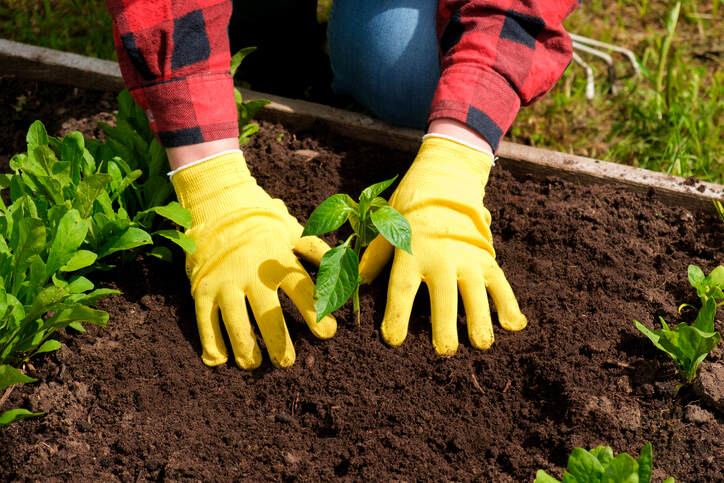
Selecting the best soil for backyard projects is one of the most important decisions you can make before you plant, seed, or grade anything. Backyard spaces look simple from the surface, but the soil needs for a lawn are not the same as the needs of a flower bed, a vegetable garden, or a mixed-use family yard. When the wrong soil is used, grass struggles to root, flowers dry out or sit in water, and vegetables produce less than they should. When the right soil is chosen from the start, the entire yard becomes easier to maintain and far more reliable over time.
Many homeowners assume soil is interchangeable. If it looks dark and loose, it must be good for everything. However, soil affects drainage, nutrient availability, root depth, compaction, and long-term plant performance, not just the appearance of a planting area. That same principle applies here. Backyard soil should be selected based on the work each area needs to do and how that area will function through the season.
Backyards often include several project types in one space. One area may need a smooth, stable base for sod. Another may need nutrient-rich soil for annuals and perennials. Another may need a lighter, richer mix that supports vegetables with steady moisture and strong fertility. Looking at the yard as a group of separate growing environments is the best way to make a smart soil choice.
Why Soil Selection Should Change from One Backyard Project to Another
Backyard soil requirements change based on plant type, root depth, drainage needs, and expected traffic. A lawn needs a soil base that can be spread evenly, graded properly, and compact lightly without turning hard. Flower beds need more organic matter and a structure that holds enough moisture while still draining well. Vegetable gardens need even more attention because they produce edible crops that rely on steady nutrients, workable texture, and good biological activity in the root zone.
This is why one generic load of soil is rarely the best answer for an entire yard. A soil that works well under sod may be too lean for a vegetable plot. A rich garden mix that works beautifully in a planting bed may be more than you need for general grade work. The most useful approach is to match the soil blend to the function of the space rather than forcing every area to perform the same way.
This project-by-project approach also helps avoid common backyard problems. Poor drainage around flower roots, shallow turf growth, nutrient deficiencies, and hard-packed planting areas often trace back to a mismatch between the soil used and the project it was meant to support.
What Makes Soil Work Well in a Backyard Setting
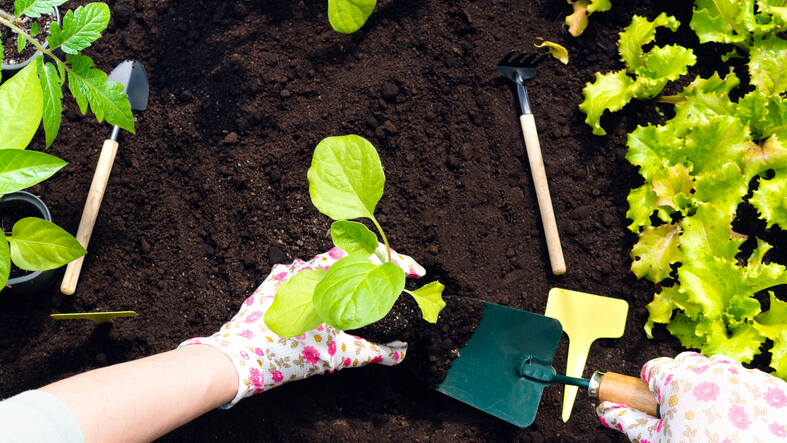
Good backyard soil usually balances four things: structure, drainage, moisture retention, and fertility. Structure matters because roots need space to move through the soil. Drainage matters because too much standing water can suffocate roots or encourage rot. Moisture retention matters because soils that dry too quickly require constant watering. Fertility matters because plants draw nutrients from the soil over time, and poor fertility usually shows up as weak growth, pale leaves, and disappointing results.
Organic matter improves almost every one of these conditions. Compost and well-built garden mixes help loosen dense soil, improve water-holding capacity in lighter soils, and support the soil life that helps release nutrients to plants. For more information, our article Soil and Plant Nutrition: How Soil Affects Your Garden, explains why soil quality influences everything from root development to bloom strength and crop yield.
Texture matters just as much. Dense clay can hold nutrients well, but it often compacts and drains slowly. Sandy soils drain faster, but they lose moisture and nutrients quickly. Loam sits closer to the middle, which is why loam-based blends are often the starting point for lawns and many ornamental areas. Once organic matter is added in the right amount, those blends become much more adaptable across different parts of the yard.
Choosing the Best Soil for Backyard Lawns
For backyard lawns, the goal is not simply rich soil. The goal is a consistent, spreadable topsoil that creates a stable base for seed or sod. Turf roots need enough depth to establish, but they also need a smooth grade and a texture that does not leave the surface lumpy or full of debris. In most cases, screened loam or screened topsoil is the best starting point for lawn areas because it provides a cleaner, more workable surface and supports even establishment.
If you are planning a lawn project and are unsure how much material to order, read our article How Much Topsoil Do I Need? to help calculate the right volume for garden beds, lawns, and raised areas.
Lawns also deal with repeated foot traffic, mowing, and seasonal weather swings. If the soil below the grass is too dense, roots stay shallow and the lawn dries out faster in heat. If it is too loose or uneven, the surface becomes hard to maintain and difficult to level. That is why a product such as screened topsoil or loam soil is commonly a better fit for lawn preparation than garden mix.
For larger lawn or grading projects, keeping the soil type simple is usually the smartest move. Rich, compost-heavy blends are better saved for planting areas where the added fertility and moisture retention will be used more effectively. For turf, the priority is structure, consistency, and enough organic value to support healthy establishment without overcomplicating the base.
Soil Blends That Work Better for Flower Beds
Flower beds need a more nutrient-rich and biologically active soil than turf areas do. Annuals, perennials, and shrubs all perform better when their root zone includes a balance of loam and compost. This gives the bed better drainage than heavy native clay while also holding moisture more effectively than plain topsoil. For many backyard planting beds, a garden mix is the most practical choice because it creates a better growing environment right away.
This is one reason the best soil for backyard planting beds is usually different from the soil you would use under sod. Flowers are often chosen for bloom production, colour, and long seasonal performance. That means the soil has to do more than hold roots in place. It has to support nutrient uptake, buffer temperature swings, and maintain consistent moisture between waterings. A well-made garden soil blend often handles those demands more effectively than topsoil alone.
If the bed is being built from scratch, it also helps to think about mulch early. Soil structure and surface protection work together. Compost-rich garden mixes support the root zone below, while mulch helps retain moisture and suppress weeds above. Beds that combine both elements usually stay healthier and require less correction mid-season.
For a closer look at how compost-rich blends improve water retention, fertility, and long term soil health, our article Organic Soil Blends for Healthier Plants explains why these mixes work so well in planting beds and gardens.
What Vegetable Gardens Need from Soil
Vegetable gardens are usually the most demanding part of the yard because they must produce actively through the season. Tomatoes, cucumbers, carrots, greens, beans, and herbs all rely on a soil that drains well, stays workable, and continues feeding the crop over time. In most cases, the strongest choice for vegetable growing is not plain topsoil. It is a richer blend that includes aged compost and enough organic matter to support both fertility and moisture balance.
Raised and contained growing spaces often need even more care because they dry out faster than in-ground beds. For these kinds of projects, our article Best Soil for Raised Garden Beds helps break down why lighter, compost-rich blends usually outperform plain soil in above-ground growing areas.
Even in in-ground vegetable patches, soil should be matched to how intensively the area will be used. A backyard plot that is replanted every year benefits from regular compost additions and a blend that stays friable rather than crusting over. When vegetables are planted into dense or low-organic soil, watering becomes less efficient, root growth slows, and yield often drops.
This is where the best soil for backyard food growing really proves its value. Vegetables are less forgiving than lawns or even some ornamental beds because they are expected to produce flowers, fruit, leaves, or roots within a limited season. Soil quality affects not just appearance, but harvest quality and consistency.
How To Match Soil Blends to Backyard Projects
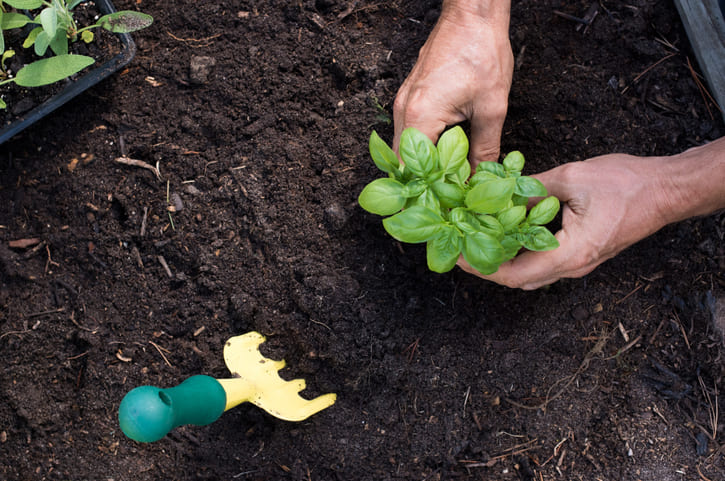
A simple way to choose correctly is to match the blend to the function of the area, not just the name of the project. If the space is meant to support turf and regular foot traffic, start with a stable screened topsoil. If the space is for ornamental beds, choose a soil blend with more compost and improved moisture retention. If the space is for vegetables, choose a richer mix that supports productivity and can be refreshed over time.
Most backyard projects fit into these categories:
● Use screened topsoil or loam for new lawn areas, grade corrections, and places where an even, stable surface matters most.
● Use a garden mix, such as Soil Kings’ 70/30 Garden Mix or 50/50 Premium Mix with compost for flower beds, shrub borders, and ornamental planting.
● Use richer, compost-forward soil blends for vegetable gardens and raised beds where productivity and nutrient availability matter more.
● Use compost as an amendment when existing soil is workable but needs better structure, improved biology, or a nutrient boost.
This kind of matching also helps with budgeting and maintenance. Instead of overbuilding every area, you can use a more targeted approach that gives each part of the backyard what it actually needs. That usually leads to better plant performance and less frustration later.
Soil Kings can deliver all products loose in bulk, without the use of plastic bags, so you can get the exact amount of soil you need for your project without unnecessary waste with sustainability in mind.
Common Backyard Soil Mistakes to Avoid
One common mistake is assuming native soil is good enough just because plants can survive in it. Many backyards include compacted subsoil, leftover construction material, or uneven areas where water sits after rain. Survival is not the same as healthy growth. Starting with the wrong base often creates a cycle of patching, reseeding, replanting, and repeated amendments that cost more in the long run.
Another mistake is using the same material across the whole yard for convenience. While that may seem efficient, it can create poor results in key areas. A vegetable bed filled with basic topsoil may lack the fertility needed for strong production. A lawn built on a very rich compost-heavy mix may settle unevenly or become harder to finish cleanly.
A third mistake is focusing only on the first season. The best soil for backyard projects should not just look good on installation day. It should continue supporting healthy growth over time. That means thinking about how the soil will behave after watering, after settlement, and after one full growing season.
When To Improve Existing Soil Instead of Replacing It
Not every backyard needs a full soil replacement. If the existing soil has a workable base but lacks fertility or drains imperfectly, improvement may be more practical than removal. Adding compost, blending in better soil through the top layer, or adjusting specific sections can often solve the problem without rebuilding the whole yard.
This is especially true in established gardens where root systems, edging, and hardscape are already in place. In those situations, a soil amendment such as aged compost can improve the structure and nutrient profile without disturbing everything around it.
For many homeowners, it also helps to compare how different blends perform before ordering a larger volume. Our article Plant Growth in Different Soil Types provides a practical discussion that makes it easier to understand why one area holds water, another dries out quickly, and another supports strong growth with less effort.
Improvement also makes sense when only part of the yard is underperforming. A flower bed that dries too quickly may need more organic matter. A patchy lawn area may need a better topsoil layer. A vegetable bed may simply need compost and seasonal refreshing rather than total replacement.
How To Choose the Right Backyard Soil
Matching the soil to the job gives better results than searching for one universal product. For example, screened topsoil helps create a clean, workable base for lawns and grade changes. Compost-enriched mixes are usually better for flower beds and ornamental planting. Richer garden blends support vegetables and raised beds more effectively. Compost improves existing soil where full replacement is unnecessary.
For homeowners planning a multi-use yard, that practical framework is often enough to avoid the most common mistakes. It keeps soil selection tied to real performance, not guesswork. It also helps create a backyard that is easier to water, easier to maintain, and more successful season after season.
Soil Kings supplies premium screened topsoil, nutrient-rich compost, and garden soil blends in bulk throughout Calgary and the surrounding area, helping homeowners choose the right material for each part of the yard. Order today and give your backyard the soil foundation it needs to flourish properly.