
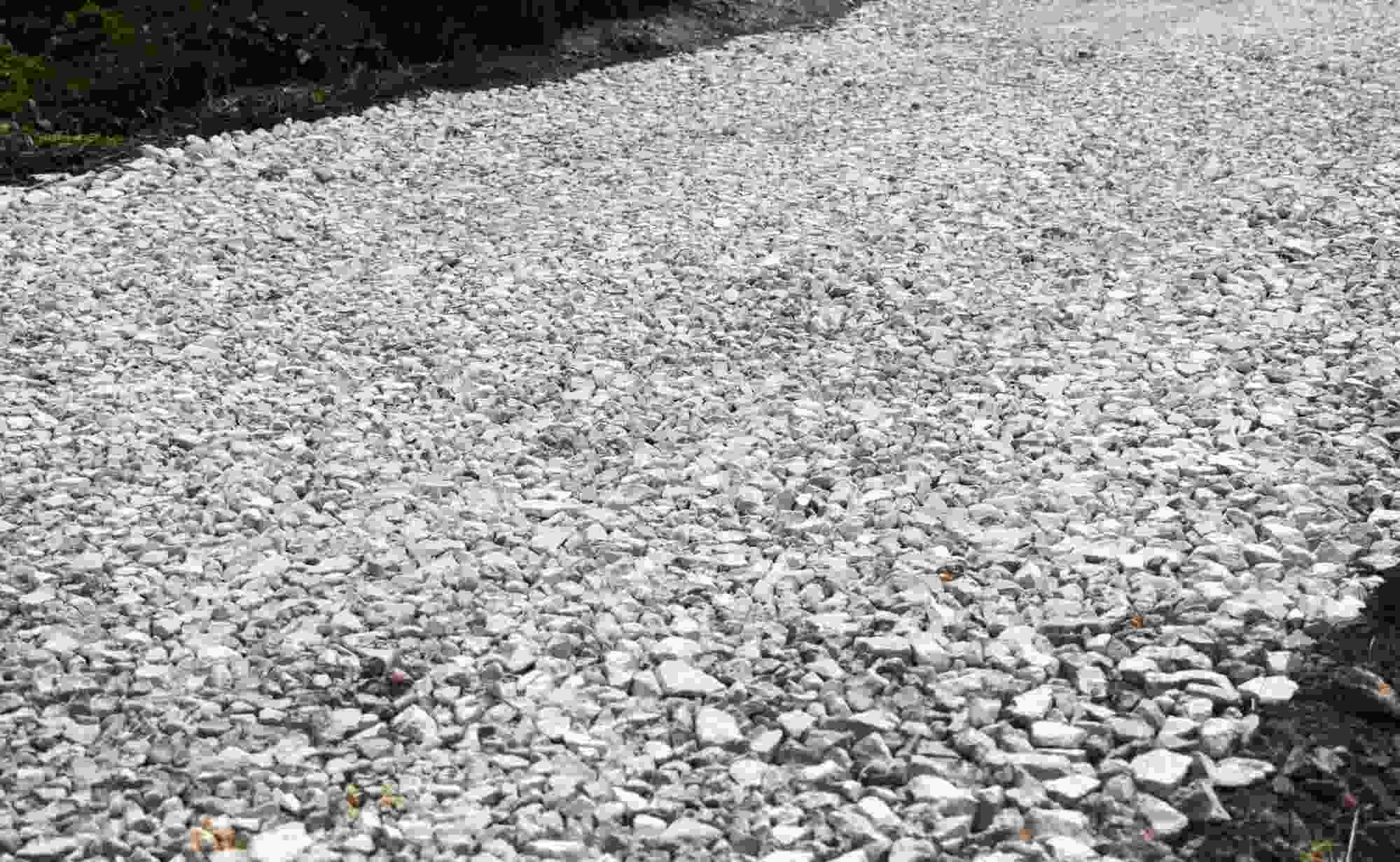
Crushed limestone fines are a compactable aggregate used for driveways, pathways, patios, side yards, and other outdoor surfaces that need a firm, stable base or finished layer. Because the material contains small crushed stone particles and fines, it can pack together more tightly than loose decorative rock. That makes it useful where the goal is durability, surface stability, and a cleaner walking or driving area.
For Calgary homeowners, landscapers, and contractors, material choice matters because not every gravel product performs the same way. A decorative rock may look good in a garden bed, but it may shift too much under tires or foot traffic. A washed rock may drain well, but it will not compact the same way. Crushed limestone fines are different because they are selected for packing ability, making them a practical option for areas that need a tighter surface.
When installed properly, limestone fines can help reduce mud, create a smoother surface, improve usability, and support outdoor spaces that need to hold up under regular use. Like any aggregate, they perform best when the base preparation, depth, slope, compaction, and edging are planned before the material is placed.
What Are Crushed Limestone Fines?
Crushed limestone fines are made from limestone that has been crushed down into small particles. The material usually includes a mix of fine stone dust and small aggregate pieces. That blend is what allows it to compact into a firmer surface than loose rock.
The fine particles fill the spaces between the larger pieces. When the material is levelled and compacted, those particles bind together to create a dense layer. This is why limestone fines are commonly used for driveways, walking paths, compact patios, shed pads, and other outdoor areas where stability matters.
The main advantage is compaction. For example, Soil Kings’ 14mm Washed Rock is practical to use where water needs to move freely through open spaces between stones. Limestone fines are usually chosen for the opposite reason. They are used when the project needs a surface that packs down and holds its shape.
That distinction is important. If a project needs drainage, washed rock or drain rock may be the better choice. If a project needs a compact surface for walking, parking, or light vehicle use, limestone fines can be the more practical option.
Why Limestone Fines Work Well for Driveways
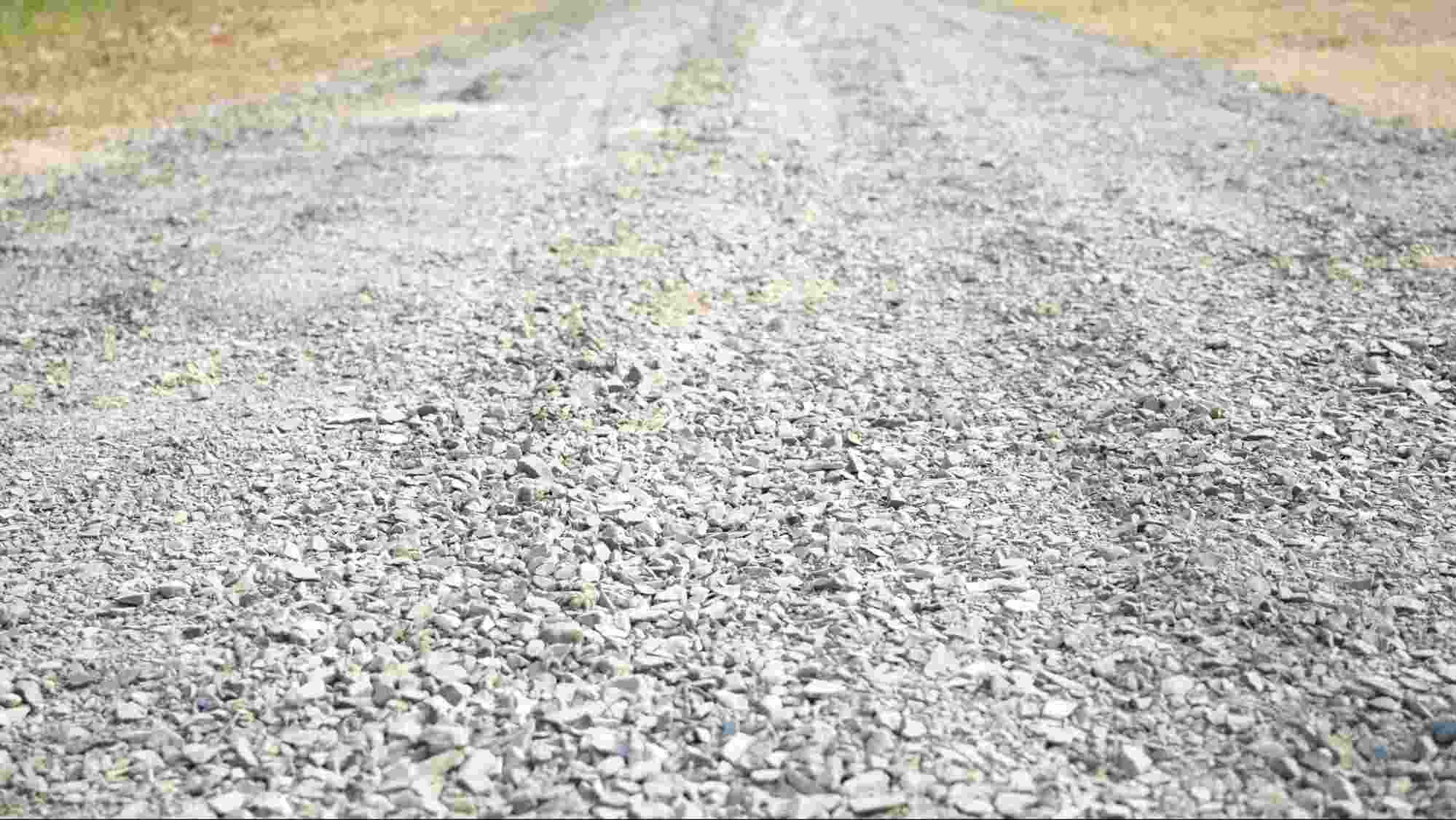
A limestone fines driveway can be a strong option for residential areas where a compacted gravel surface is needed. The material can create a firm driving surface when it is installed over a properly prepared base and compacted in layers. It is especially useful for driveways, parking pads, rural access areas, and spaces where loose rock would shift too much under vehicle traffic.
The strength of a limestone fines driveway depends on preparation. The ground below the aggregate should be shaped so water does not sit on the surface or flow toward structures. Soft soil, organic material, and unstable base areas should be addressed before new material is installed. If the base is weak, the finished driveway may rut, sink, or become uneven even if the aggregate itself is suitable.
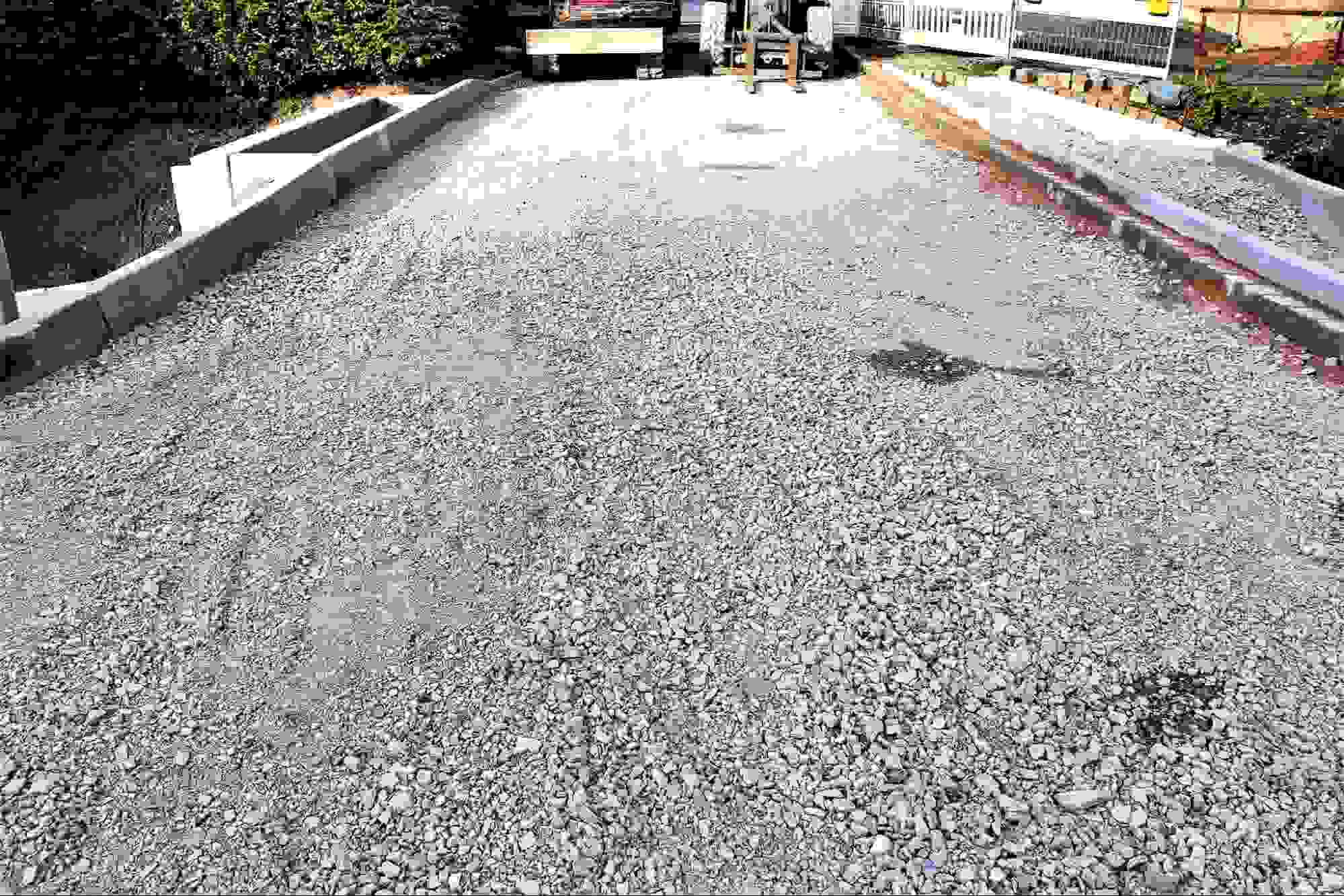
Compaction also matters. Limestone fines should not simply be dumped and spread thinly over the surface. For better performance, the material should be placed at the right depth, levelled, and compacted so the particles lock together. In higher traffic areas, compacting in layers can create a better result than placing one thick layer all at once.
For homeowners comparing materials, our article Crushed Limestone Fines For Driveways and Pathways provides more context on how limestone fines are used for driveway surfaces and what makes them different from loose decorative gravel.
Using Crushed Limestone Fines for Pathways
Crushed limestone fines are also useful for walking paths because they create a more stable surface than many loose aggregates. In a garden path, side yard, or access route, a compacted surface is often easier to walk on, push a wheelbarrow across, and maintain over time.
Pathways usually need a different feel than decorative beds. A larger rock may look attractive around shrubs or borders, but it can roll underfoot or feel uneven. Limestone fines create a tighter walking surface when properly compacted, which makes them a practical choice for areas that receive regular foot traffic.
For pathways, edging is especially important. Without edging, compactable materials can still migrate into lawns, planting beds, or nearby hardscape areas over time. Edging helps define the path, keep the material contained, and make the finished area easier to maintain.
Depth also matters. A thin layer may look acceptable at first, but it can become uneven after use, weather, or freeze and thaw conditions. A properly prepared pathway should include enough material to compact into a consistent surface. If the path crosses soft soil, a better base or fabric layer may be necessary to improve long term performance.
Where Crushed Limestone Fines Are Most Useful
Crushed limestone fines are best suited to projects where compaction and surface stability matter more than open drainage. They can be used as a finished surface or as part of a base preparation system, depending on the project. The right use depends on how much traffic the area receives, how water moves through the site, and whether the surface needs to support people, vehicles, or outdoor structures.
Common uses include:
● Residential driveways and parking pads that need a compact gravel surface
● Garden pathways and side yard access routes
● Patio areas where a compact surface is needed below or around hardscape
● Shed bases and utility areas that need a firm layer
● Walkways around planting beds, fences, and outdoor work areas
● Low maintenance spaces where bare soil would become muddy or uneven
These uses all rely on the same basic idea. The aggregate needs to pack together and create a more stable surface than loose stone. That is why crushed limestone fines are often chosen where the finished area needs to be both practical and easy to maintain.
Crushed Limestone Fines Compared to Road Gravel
Crushed limestone fines and road gravel are both compactable materials, but they are not identical. Road gravel usually contains a mix of sand, gravel, and crushed stone that is designed to compact into a strong base layer. It is commonly used under concrete slabs, paving stones, gravel driveways, parking pads, and other surfaces that need structure.
Soil Kings’ 20mm Road Gravel is one example of a compactable aggregate used for base preparation and driveway applications. It can be a better option when the project needs a stronger structural base rather than a finer finished surface.
Our article What Is Road Gravel? Types, Uses and Benefits for Durable Roads explains how road gravel supports driveways, pathways, base work, and other construction or landscaping projects.
The choice between limestone fines and road gravel should come down to function. If the area needs a compact base that will support another surface, road gravel may be the better fit. If the area needs a finer, tighter finished surface, crushed limestone fines may be more suitable. In some projects, both materials may be used in different layers, with road gravel creating the base and limestone fines used closer to the surface.
Crushed Limestone Fines Compared to Washed Construction Sand
Washed construction sand serves a different purpose than crushed limestone fines. Sand is often used for bedding, levelling, trench backfill, paver preparation, and construction applications where a clean, workable material is needed. It can help create a smooth layer under pavers or support certain construction details, but it does not compact into the same type of hard surface as limestone fines.
Soil Kings’ 5mm Washed Sand is a coarse, screened sand used for construction and landscaping applications. It is useful where a clean sand layer is needed for bedding, trench work, or other project preparation.
For more detail, read our article Washed Sand for Construction Applications and Choosing the Right Size for an in-depth explanation on how washed construction sand is used for pavers, trench backfill, drainage related work, and other outdoor projects.
The difference is mainly about particle size and performance. Limestone fines are chosen when the material needs to compact into a firmer surface. Washed sand is chosen when the project requires a clean bedding or leveling material. Both can be useful, but they should not be treated as interchangeable.
Crushed Limestone Fines Compared to Washed Rock
Washed rock and crushed limestone fines also serve different purposes. Washed rock has been cleaned to remove much of the dust, clay, and fine material. That creates more open space between stones, which helps water move through the aggregate more easily.
Crushed limestone fines contain fine particles by design. Those fines are what help the material bind together. That makes limestone fines useful for compact surfaces, but less suitable for projects where free drainage is the main goal.
For drainage areas, side yards, foundation zones, dog runs, and places where water movement matters, washed rock may be a better choice. Soil Kings’ 25mm Washed Rock is commonly used where a cleaner stone and better drainage performance is needed.
For more information on how washed rock is used for drainage areas and decorative landscaping, read our article Washed Rock: Benefits and Common Uses in Landscaping.
A simple way to compare the two is this: use crushed limestone fines where compaction is the priority and use washed rock where drainage is the priority. Choosing the wrong one can make the finished area harder to maintain. Limestone fines may hold water if used where drainage is poor. Washed rock may feel too loose where a firm surface is required.
How to Install Crushed Limestone Fines Properly
A good limestone fines surface starts with preparation. The area should be cleared of weeds, soft organic material, loose debris, and unstable soil. If the surface will be used as a driveway or parking area, the base should be strong enough to handle the expected load before the limestone fines are installed.
Grading is one of the most important steps. Water should move off the surface rather than sit in low spots. A compacted fines surface can be durable, but standing water can soften the area, move material, and create uneven sections over time. Driveways and pathways should be shaped with drainage in mind from the beginning.
The material should be spread evenly and compacted. For thicker installations, placing and compacting in layers usually creates a better result than spreading all the material at once. Edging can help keep the fines contained, especially on pathways, patios, and areas beside lawns or planting beds.
It is also important to order enough material for the desired depth. Too little aggregate can leave thin areas that wear quickly. Too much can make the surface harder to shape and compact properly. Measuring the length, width, and planned depth before ordering helps avoid delays, waste, and patchy results.
Common Mistakes When Using Limestone Fines
One common mistake is using crushed limestone fines where drainage rock is actually needed. Because limestone fines compact tightly, they are not the best choice for areas where water needs to move freely through the material. If the site has drainage issues, the slope, base, and aggregate type should be reviewed before installation.
Another mistake is skipping compaction. Limestone fines perform best when the particles are packed together. If the material is only spread loosely, the surface may shift, track, or become uneven faster than expected.
A third mistake is placing limestone fines directly over soft soil or weeds. The finished surface is only as reliable as the base beneath it. Soft ground can lead to rutting, and weeds can push through if the area is not prepared properly.
Homeowners also sometimes choose material based only on price or colour. That can lead to poor results if the aggregate does not match the job. Driveways, pathways, patios, drainage areas, and decorative beds all need different performance qualities.
How Much Crushed Limestone Fines Would You Need?
The amount of crushed limestone fines needed depends on the size of the area and the planned depth. Most bulk aggregate is ordered by the cubic yard, so measuring carefully before ordering is important.
Start by measuring the length and width of the area. Multiply those numbers to get square footage, then factor in the depth needed for the project. A light pathway, a compact patio area, and a driveway surface may all require different depths depending on the base and traffic level.
Uneven ground, settlement, and compaction can also affect the final amount. Because limestone fines compact, the installed depth after compaction may be lower than the loose depth when first spread. It is usually better to plan based on the finished surface requirement rather than guessing by appearance.
For larger driveway or pathway projects, bulk ordering is more efficient than trying to complete the job with bagged material. Soil Kings supplies bulk landscape and aggregate materials loose for delivery or pickup, helping reduce extra handling, packaging waste, and repeated trips for small quantities.
Choosing the Right Aggregate for Driveways and Pathways
A durable driveway or pathway starts with understanding what the surface needs to handle. If the area will carry regular foot traffic, light vehicle use, or outdoor equipment, crushed limestone fines can provide a tighter, more controlled finish than loose decorative stone. They are especially useful where the surface needs to stay firm, reduce mud, and remain practical through regular use.
The best choice depends on whether the project needs compaction, drainage, bedding, or base support. Limestone fines help create compacted surfaces. Road gravel is better for stronger base layers. Washed sand works well for bedding and leveling. Washed rock is better where water movement matters. Crusher dust may also suit some compacted base or preparation work.
Soil Kings supplies 10mm Limestone Fines, 20mm Limestone Fines, and 40mm Limestone Fines, and other bulk aggregates throughout Calgary and surrounding areas. Order today to get the right material in place for a driveway or pathway that is cleaner, firmer, and built for the way the space will actually be used.