
Creating a flower bed that delivers colour, texture, and lasting health starts long before you put the first plant in the ground. Many gardens fail because the bed was rushed, soil conditions were overlooked, or plants were chosen without considering location and maintenance. If you want results that look good in the first season and improve over time, you need to know how to make a flower bed from the ground up, literally.
Whether you’re a homeowner transforming your backyard, a contractor installing decorative planting areas for a client, or a property manager planning seasonal landscaping, the fundamentals are the same. You must select the right site, design a layout that works, remove competing growth, prepare the soil correctly, and give your plants the foundation they need to thrive. With nearly two decades of experience supplying premium bulk soil, compost, and mulch in Calgary, Soil Kings has seen the difference that proper preparation makes, not just in plant health, but in cost efficiency and long-term maintenance savings.
How To Choose the Best Location for a Flower Bed
Selecting the right site is the first and most important decision. Plants are living systems, and their performance depends heavily on environmental conditions. Most flowering plants require at least six hours of direct sunlight daily. If your chosen location gets less than that, you’ll need to choose plants that thrive in partial or full shade, or you may be disappointed by stunted growth and poor blooms.
When deciding where to place a flower bed, also think about accessibility. A location that’s easy to reach for watering, weeding, and seasonal maintenance will save you hours of work later. Avoid spots that require you to stretch or step into the bed, as compacted soil from foot traffic can damage plant roots and reduce oxygen flow.
Drainage is another consideration. Areas that stay waterlogged after rain can cause root rot in many flower species. If you’re dealing with poor drainage, you might need to raise the bed by adding extra topsoil, improving soil structure with compost, or even installing a simple drainage system before planting. Conversely, extremely dry, fast-draining areas will require more organic matter and mulch to help retain moisture.
From a design standpoint, consider how the bed will look from multiple angles, both from inside your home and from the street or sidewalk. This is especially important for front yards and commercial properties where curb appeal matters.
Plan Your Flower Bed Design Before You Dig
One of the most common mistakes in creating a flower bed is jumping straight to planting without a plan. Design isn’t just about appearance; it’s also about function, plant health, and ease of maintenance.
Start by sketching your flower bed’s outline on paper, or use a garden hose to lay out curves and shapes directly on the ground. If the bed will be viewed from only one side, such as against a fence or wall, place taller plants at the back and shorter plants in front. If the bed will be seen from all sides, position the tallest plants in the center and graduate down to shorter varieties around the edges.
Grouping plants in odd numbers, three, five, or seven, creates a more natural look and avoids a rigid, overly symmetrical appearance. Also, mix plant types with different bloom times to ensure the bed offers colour and interest across multiple seasons. Early spring bulbs can be followed by summer perennials, with late-season annuals or ornamental grasses extending the display into fall.
If you’re planning a border flower bed along a lawn, account for how it will interact with mowing. Installing a clear edge not only defines the bed but also prevents grass from creeping in. In high-traffic areas, you might consider more durable edging materials like brick or metal.
Remove Grass, Weeds, and Debris Completely
A flower bed is only as good as the ground it’s planted in, and nothing robs plants of nutrients and water faster than competing growth. This is why removing existing grass, weeds, and debris is critical. Simply turning over the soil without removing these plants allows them to regrow, often stronger than before.
For small beds, you can use a flat spade to slice under the roots of sod and lift it away. For larger areas, a sod cutter will save time and effort. If weeds are deeply rooted, hand removal is best, as chemical herbicides can remain in the soil and harm your flowers.
Once the vegetation is gone, clear any stones, sticks, or construction debris. These can interfere with root growth and make future digging difficult. Loosen the underlying soil to a depth of at least 12 inches with a garden fork or rototiller. This is especially important in Calgary’s compact clay soils, where plant roots struggle without adequate aeration. Breaking up hard soil improves drainage, encourages root spread, and makes it easier for water and nutrients to reach plants.
Test Your Soil Before Adding Amendments
Knowing exactly what’s in your soil is essential before you decide how to prepare it for planting. Soil in Calgary and surrounding areas can vary widely, from heavy clay that drains poorly to sandy soils that dry out too quickly. Without testing, you’re guessing at what your plants will need.
A simple home test kit can measure pH, but for more accuracy, send a sample to a local agricultural lab. Most flowers thrive in soil with a pH between 6.0 and 7.0. A higher pH (alkaline soil) can be lowered with elemental sulphur, while acidic soil can be raised with lime. Test results will also reveal nutrient levels for nitrogen, phosphorus, and potassium, allowing you to amend the soil precisely rather than applying generic fertilizers.
Even if your soil falls within the right pH range, adding organic matter improves structure and fertility. Clay-heavy soils benefit from compost because it increases aeration and prevents waterlogging. Sandy soils benefit because compost helps hold water and nutrients that would otherwise leach away.
Use Bulk Topsoil and Compost for a Strong Start
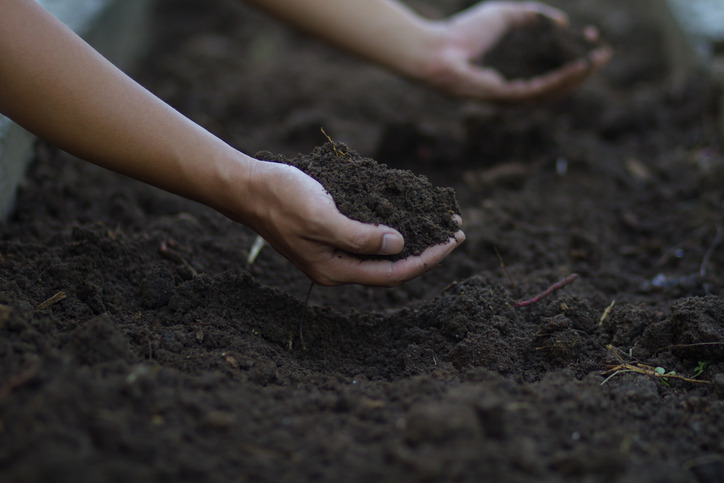
If your goal is to build a flower bed that produces strong, healthy plants year after year, you cannot rely solely on the soil that’s already in place. The best soil for flower beds is a nutrient-rich blend of screened topsoil and compost. This provides a stable structure for roots, retains moisture without becoming waterlogged, and delivers the nutrients plants need for sustained growth.
Adding bulk screened topsoil, delivered loose, not in plastic bags, allows you to work with large volumes cost-effectively. Soil Kings’ screened topsoil is free from contaminants and large debris, ensuring you start with a clean, consistent material. Apply at least 4 to 6 inches of topsoil over your prepared site, blending it into the loosened subsoil for a seamless transition.
Compost is equally important. A high-quality compost or garden mix improves soil texture, adds organic matter, and supports beneficial microorganisms. This not only boosts nutrient availability but also reduces the need for frequent fertilizer applications. Mixing compost into the topsoil rather than layering it on top ensures that nutrients are available throughout the root zone.
Shape and Edge the Flower Bed for Function and Style
Once the soil is in place, shaping your flower bed adds both visual appeal and functional benefits. Curved edges create a softer, more natural look that works well in informal gardens. Straight edges complement modern or formal designs and are easier to maintain with mowing equipment.
Mark your desired shape using a garden hose or rope. Cut along the outline with a sharp spade, creating a clean, defined border. Installing a physical edge, such as stone, metal, or brick, prevents grass and weeds from creeping in and keeps mulch contained. This investment in edging will save time and effort in maintenance, especially for larger or high-visibility beds.
Mulch for Moisture Retention and Weed Suppression
Mulching is the final step in creating a flower bed, but it plays an ongoing role in keeping your plants healthy. A 2- to 3-inch layer of mulch reduces water evaporation from the soil, suppresses weed growth, and buffers soil temperatures against extreme heat and cold.
Organic mulches like Bowcrow Mulch™ (a mixture of pine and spruce), Black Premium Mulch (made of wood chips), or composted mulch break down over time, adding more organic matter to the soil. Inorganic mulches such as Rundle Rock or Limestone can be used in decorative beds, but won’t improve soil health. For flower beds, organic mulch is generally the better choice because it supports plant health long-term.
Spread mulch evenly across the bed, leaving a small gap, about two inches, around plant stems to reduce the risk of rot and pest issues. Choosing mulch that is supplied loose rather than in individual plastic bags allows you to receive exactly the volume you need without excess material or waste. Loose delivery options are also a more environmentally sustainable choice, as they eliminate single-use plastic packaging and reduce the amount of waste generated during your project. Beyond convenience, this approach makes it easier to apply mulch directly where it is needed, ensuring even coverage for optimal moisture retention, weed suppression, and temperature regulation in your flower bed.
Essential Steps to Create a Flower Bed That Thrives
Choose A Location With Sunlight, Good Drainage, And Easy Access
Most flowers require at least six hours of direct sunlight each day, so select a site that meets your plants’ light needs. Good drainage is critical to avoid waterlogged roots, and easy access will make watering, weeding, and seasonal care much simpler without compacting the soil by walking through the flower bed.
Design With Beauty And Practicality In Mind
Plan your flower bed’s layout for both visual appeal and long-term maintenance. Arrange taller plants toward the back or center, place shorter plants at the edges, and combine varieties with different bloom times for continuous colour. A well-thought-out design will look good from every angle and minimize the need for constant reworking.
Clear The Ground Completely Before You Start
Remove all grass, weeds, and debris to eliminate competition for nutrients, sunlight, and water. Starting with a clean base ensures your flowers can establish strong, healthy roots without interference from invasive growth.
Test And Balance Your Soil Before Planting
Knowing your soil’s pH and nutrient profile lets you make targeted adjustments that improve plant health and performance. Amending your soil before planting prevents wasted time and money on plants that won’t thrive in unbalanced conditions.
Build Your Base With Quality Topsoil And Compost
Mixing screened topsoil with nutrient-rich compost creates the ideal planting medium. This combination offers the right structure for root development, retains moisture effectively, and delivers a steady supply of nutrients through the growing season.
Define Your Edges For Form And Function
Crisp, well-defined edges enhance your flower bed’s appearance and act as a barrier to keep grass and weeds from invading. Edging materials like brick, Tan Rock, or steel provide a long-lasting solution that reduces maintenance over time.
Finish With Mulch For Lasting Protection
Apply an even layer of mulch to conserve soil moisture, suppress weeds, and stabilize soil temperature. Organic mulch has the added benefit of enriching the soil as it decomposes, contributing to better plant health year after year.
Learning how to make a flower bed the right way means investing in proper planning and soil preparation before planting. Choosing the best location, removing competing growth, improving soil structure with bulk topsoil and compost, and finishing with mulch will give your flowers the conditions they need to thrive.
Soil Kings makes it simple to start with the best possible foundation. We supply premium screened topsoil, nutrient-rich compost, and mulch in bulk, delivered directly to your home or job site without the waste and extra cost of plastic bags. Order today and set your flower bed up for years of healthy growth.