

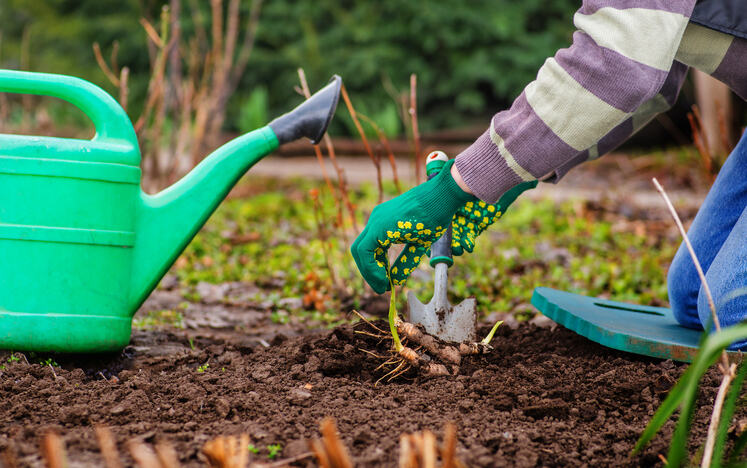
As summer winds down, many gardeners think their work is done until spring. But in reality, the steps you take now can make a huge difference in how well your garden bounces back next year. Preparing your garden for fall is about more than just tidying up, it’s about protecting your plants, improving soil health, and setting the stage for a stronger growing season ahead.
Whether you grow flowers, vegetables, shrubs, or a mix of all three, this is the time to clean, amend, and protect your garden. Doing so not only prevents problems like pests and disease but also saves you time, money, and effort when spring rolls around. With the right approach, you can enjoy a smooth seasonal transition and healthier plants next year.
Assess the Current State of Your Garden
Before you start any fall preparation, take a close look at what’s happening in your garden right now. Walk through your space and make note of plants that are thriving, struggling, or clearly at the end of their lifecycle. Identify any areas with persistent weeds, compacted soil, or poor drainage.
This evaluation will help you decide which areas need the most attention and what materials you’ll need to order. If you notice uneven growth or bare spots, it may indicate nutrient deficiencies or soil compaction, both of which can be addressed with fall soil amendments.
Remove Spent Plants and Debris
One of the most important steps in preparing your garden for fall is removing plants that have finished producing or are showing signs of disease. Dead plants left in place can harbour pests, fungus, and bacteria that may overwinter in your soil.
Pull up annual flowers that have stopped blooming, vegetable plants that are no longer producing, and any perennials with dead or diseased foliage. Healthy plant material can be composted, but diseased plants should be disposed of separately to prevent spreading problems.
While you’re at it, clear away fallen leaves, branches, and other debris from garden beds. A clean garden is less inviting to overwintering insects and rodents.
Improve Soil Health with Compost and Organic Matter
Fall is an ideal time to replenish your soil’s nutrients. After months of supporting plant growth, your soil may be depleted of essential elements like nitrogen, phosphorus, and potassium. By adding Aged Compost or other organic matter, such as Worm Castings Soil Amendment, you give these nutrients time to integrate before spring planting.
Premium bulk compost or an organic soil blend is a simple, cost-effective way to restore fertility. Spread 2–4 inches over your garden beds and gently work it into the top few inches of soil. This improves structure, promotes beneficial microbial activity, and increases water-holding capacity.
Because fall temperatures are cooler and soil moisture is more consistent, decomposition happens at a steady rate. By spring, your soil will be richer and more workable.
Consider Mulching for Winter Protection
Mulching in the fall does more than control weeds. It also insulates soil, helps regulate moisture levels, and protects plant roots from extreme winter temperature swings. For perennials and shrubs, mulch provides an essential layer of protection against freeze-thaw cycles that can push roots out of the ground.
Apply 2–3 inches of organic mulch such as Black Premium Mulch or Cedar Mulch around plants, keeping it a couple of inches away from stems to prevent rot. If you prefer a more decorative look, choose a natural-colored mulch that complements your landscape design.
Opting for loose, bulk mulch instead of bagged products reduces plastic waste, lowers costs, and makes it easier to apply over large areas.
Aerate and Loosen Compacted Soil
As you think about how to get your garden ready for fall, don’t overlook soil compaction. Over the growing season, foot traffic, rainfall, and irrigation can compress your garden beds, making it harder for roots to grow and for the soil to absorb water and nutrients. This is especially common in lawn areas or heavily planted flower and vegetable beds.
Fall is the perfect time for this essential part of fall garden preparation. Use a garden fork or a mechanical aerator to loosen the soil without fully turning it over, which preserves the natural layers of soil life. Aerating before winter improves air circulation, enhances water movement, and prepares the ground for spring planting. If you’re adding compost or screened topsoil, apply it immediately after aerating so it integrates more effectively into the loosened soil.
Plant Fall Crops or Cover Crops
If you want to prepare your garden for fall while keeping it productive, consider planting cool-season vegetables such as kale, spinach, or carrots. These hardy crops thrive in cooler temperatures and can extend your harvest well into late fall, or even early winter in milder years.
For gardeners who prefer to rest their beds, planting cover crops like clover, rye, or vetch is a smart fall gardening tip. Cover crops protect bare soil from erosion, add valuable organic matter when turned into the soil in spring, and naturally suppress weeds during the off-season. They’re a low-maintenance way to keep your soil active and healthy through winter.
Prune Selectively
Selective pruning is another important step in fall garden care. While fall isn’t the time for aggressive pruning of most plants, it is ideal for removing dead, damaged, or diseased branches from trees and shrubs. Cutting back perennials that have finished flowering helps tidy the garden and can reduce the risk of overwintering pests.
However, consider leaving ornamental grasses and plants with seed heads in place. Not only do they add winter interest to your garden, but they also provide food and shelter for birds and beneficial insects. Avoid heavy pruning of woody plants until late winter or early spring, as cutting too much now can encourage new growth that may not survive the cold.
Protect Sensitive Plants
When learning how to get your garden ready for fall, remember that not all plants handle freezing temperatures equally. Some species, especially those that are borderline hardy in your region, need extra protection to survive the winter months.
Options for fall garden preparation include wrapping shrubs with burlap to shield them from windburn, adding an extra layer of mulch around the root zone for insulation, or moving potted plants to a sheltered location like a garage or greenhouse. If you’re overwintering containers outdoors, ensure they are made from frost-resistant materials and are slightly elevated to prevent water from pooling at the base and freezing.
Clean and Store Tools and Equipment
Fall garden prep isn’t just about plants, it’s also the perfect time to take care of your tools. Clean off soil, sharpen blades, and oil moving parts on pruners, shovels, and other equipment. Store hoses, watering cans, and irrigation lines indoors to prevent freezing damage.
Well-maintained tools make spring gardening easier and more efficient, saving you both time and money.
Plan for Next Year
While your garden is still fresh in your mind, take notes on what worked well and what didn’t. Record plant varieties, bloom times, pest issues, and layout ideas. This information will be invaluable when planning your garden for next season.
You can also use this time to order soil amendments, compost, or mulch for spring delivery, ensuring you’ll be ready to start planting as soon as the weather warms.
Your Fall Garden Success Checklist: 8 Essential Steps
- Clear Out Spent Plants and Debris
Removing dead or declining plants is one of the simplest but most important parts of fall garden preparation. Old plant material can harbour pests, diseases, and fungal spores that overwinter in your soil. Clearing it away now keeps problems from carrying over into next spring. - Replenish Soil with Compost or Organic Matter
After a busy growing season, your soil has given a lot to your plants. Restore its strength with nutrient-rich compost or organic soil blends. Working these into your beds in the fall gives the amendments time to integrate and improve soil structure before spring. - Mulch for Insulation and Moisture Control
A 2–3 inch layer of organic mulch, such as Parkland Premium Plus™, shields plant roots from fluctuating temperatures, locks in moisture, and reduces winter weed growth. In colder climates, mulch can make the difference between a plant surviving winter or not. - Aerate Compacted Soil
Foot traffic, watering, and rainfall can compact soil over time. Aerating in the fall allows air, water, and nutrients to penetrate more easily. This step is especially important in lawns, vegetable plots, and high-traffic garden beds. - Plant Fall Crops or Cover Crops
Cool-season vegetables such as kale and spinach can keep your garden productive into the colder months. If you’re not planting edibles, cover crops like rye or clover, protect bare soil, prevent erosion, and add organic matter when tilled under in spring. - Shield Sensitive Plants from Freezing
Not all plants handle frost well. Burlap wraps, frost blankets, or extra mulch around the base of sensitive shrubs can prevent winter damage. For container plants, consider moving them to sheltered spots or indoors. - Maintain and Store Tools Properly
Clean, sharpen, and oil your garden tools before winter storage. Proper maintenance extends their lifespan and makes spring gardening easier and more efficient. - Plan for Next Year’s Garden
Use the quieter fall season to reflect on what worked, what didn’t, and what you want to grow next year. Sketch out ideas, make plant lists, and schedule early orders for seeds, soil, or mulch so you’re ready to go when spring arrives.
Preparing your garden for fall is about giving it the best possible conditions to rest, recover, and come back stronger in the spring. With a clean, nutrient-rich, and well-protected foundation, your plants will be ready to thrive when the growing season returns.
Soil Kings can help you make that transition with premium bulk compost, screened topsoil, and mulch, delivered directly to your home or job site without the waste and extra cost of plastic bags. Order today and give your garden the healthy start it deserves next year.