

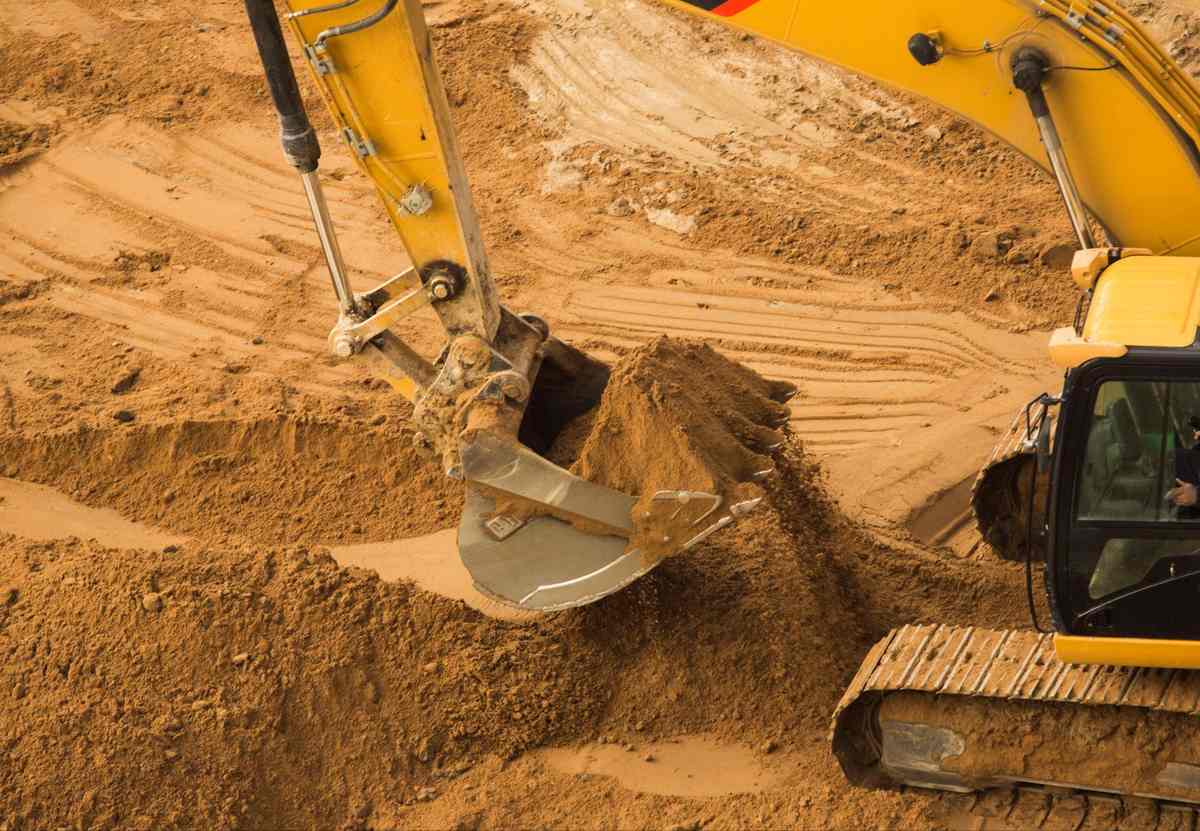
Clay is one of the oldest building materials, but its role in modern construction is more complicated than simply shaping it into bricks. Clay in construction can be useful as a building material, a compacted base, a barrier against water movement, or part of a manufactured product. At the same time, clay rich ground can create challenges when moisture levels change.
For homeowners, landscapers, and contractors, understanding how clay behaves is important before starting grading, drainage, foundation, pathway, or hardscape work. Clay particles are extremely fine and can hold significant amounts of water. Some clay soils remain relatively stable, while others shrink as they dry and swell when they absorb moisture. That movement can affect surfaces and structures built above them.
The important point is that clay is not automatically a problem or automatically the right solution. Its value depends on the clay type, the purpose of the project, how moisture is managed, and what other materials are used around it.
What Is Clay in Construction?
Clay is a fine grained natural material made up of very small mineral particles. When mixed with water, many clays become plastic and workable. When they dry, compact, or are fired at high temperatures, their properties change significantly.
In construction, clay can refer to two different things. The first is clay deliberately selected to become part of a manufactured building product, such as brick, tile, ceramic pipe, or an earthen structure. The second is clay soil that already exists on a construction or landscaping site.
That distinction matters. Clay used for brick production is selected and processed to meet specific performance requirements. Clay beneath a patio, driveway, retaining wall, or foundation has a different role and needs to be evaluated for drainage, compaction, moisture movement, and overall site conditions.
For construction projects where clay is the appropriate material, it can serve as a practical option for certain base and building applications. The key is to use it where its properties suit the project rather than treating clay as a one size fits all fill material.
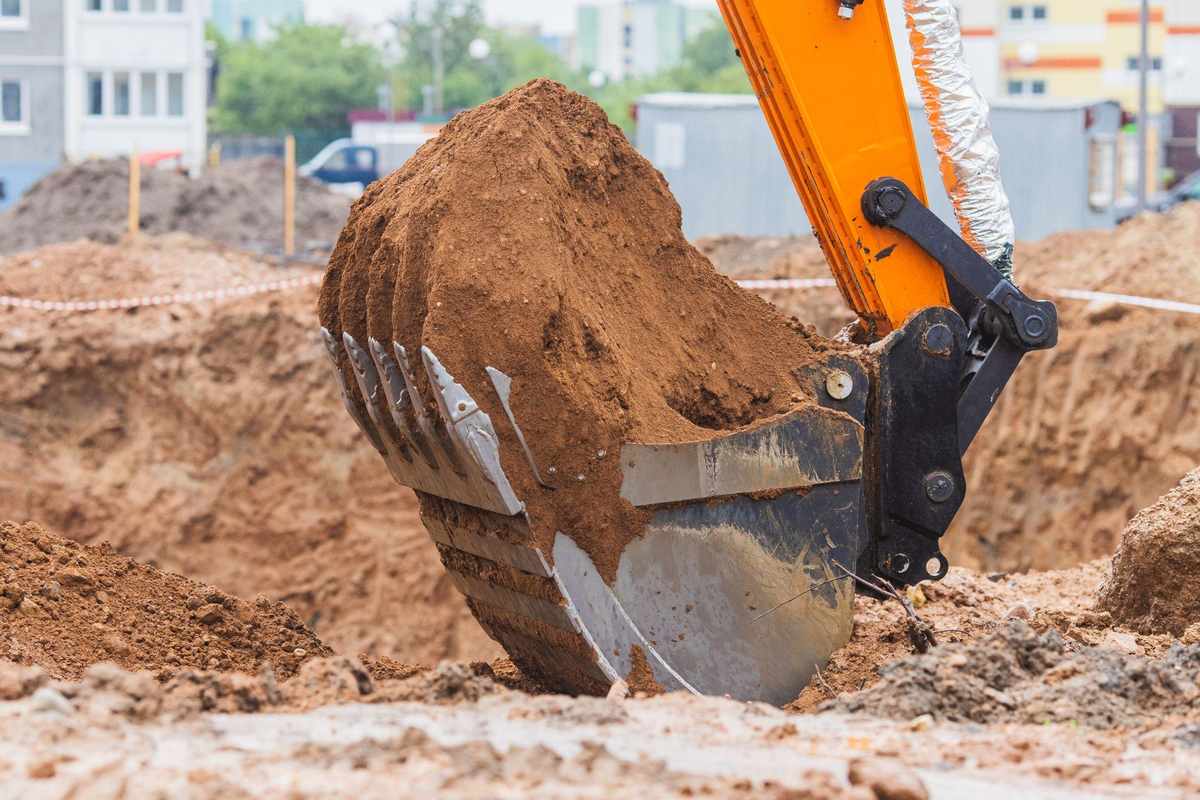
What Types of Clay Are Used in Construction?
Not every clay behaves the same way. Mineral composition affects plasticity, water absorption, shrinkage, colour, heat resistance, and how the clay responds during manufacturing.
Some of the main types associated with construction include:
- Kaolin: A relatively low plasticity clay commonly used in ceramic products and applications where controlled colour and firing characteristics are important.
- Bentonite: A highly absorbent clay with strong swelling properties. Its ability to expand when exposed to water makes it useful in sealing applications.
- Fire clay: A clay selected for applications that must withstand high temperatures, including refractory bricks and heat resistant components.
- Common clay: A broad category commonly associated with structural bricks, building tiles, and other traditional clay products.
- Ball clay: A fine, highly plastic material that may be blended with other clays to improve shaping and workability.
- Expansive clay: Clay rich soil that changes volume significantly as moisture levels rise and fall. On a job site, this is typically a condition that needs to be managed rather than a material intentionally selected as a finished product.
These differences explain why a clay that works well for manufacturing bricks may behave very differently from the clay found beneath a residential driveway or patio.
Common Uses for Clay in Construction
One of the most familiar applications is brick production. Clay can be shaped while moist and then fired to create a hard building material. Similar methods are used for roof tiles, floor tiles, ceramic drainage products, and other manufactured components.
Clay also has a long history in adobe and other earthen building methods. In these systems, clay is combined with other materials to create walls with substantial mass. Successful earthen construction depends on the correct material proportions and protection from uncontrolled moisture.
Bentonite serves a different purpose. Because certain bentonite clays expand when they absorb water, they can be useful in systems designed to limit water movement. Compacted clay can also act as a low permeability layer when a project specifically requires water to move slowly through the soil.
Clay may also be used as compacted fill or a base where site conditions and project requirements make it appropriate. This is very different from installing a free draining aggregate. Clay tends to restrict water movement, while coarse stone leaves more open space for water to travel through.
For a closer look at clay outside structural construction, our article How Clay Can Help Your Landscaping explains where its moisture holding characteristics may be useful in outdoor projects.
Why Clay and Construction Sand Perform Differently
Sand and clay sit at very different ends of the soil particle size range. That difference affects drainage, compaction, and how each material behaves around water.
Clay contains very small particles that can hold water tightly and restrict infiltration. Washed construction sand contains larger particles with more space between them, so water moves differently through the material.
That is why 5mm Washed Sand can be used for paving stone preparation, trench backfill, concrete work, and other construction projects that need a clean coarse sand. For finer masonry applications, 3mm Washed Sand can be used for bricklaying, masonry, stucco, and paving stone joints.
For more information, our article Washed Sand for Construction Applications and Choosing the Right Size explains how different washed sand sizes fit construction and landscaping applications.
The important distinction is function. Adding sand does not automatically correct every clay problem, and clay should not automatically be removed simply because drainage is slow. The entire soil profile, moisture source, grading, load, and finished surface need to be considered together.
How Does Clay Affect Drainage?
Water management is one of the biggest considerations when working with clay in construction. Clay rich soils often allow water to move through them slowly. If the surrounding grade directs runoff toward an excavation or structure, moisture may remain in the ground longer than expected.
This is especially important around foundations, retaining walls, side yards, patios, and areas exposed to rain or snowmelt. Water should be managed before saturated soil or repeated moisture changes begin affecting the project.
Drainage aggregate performs differently because open spaces between the stones create a route for water movement. Soil Kings’ 40mm Drain Rock can be used for drainage systems and basement gravel. 25mm Washed Rock is another option for applications such as weeping tile, drainage, erosion control, and areas beside homes.
For projects where a smaller washed aggregate is more suitable, 14mm Washed Rock can also support drainage and outdoor surface applications.
For more information about how coarse aggregate handles water, our article Drain Rock: Uses for Landscaping and Construction explains why drainage rock, compactable gravel, and other aggregates serve different purposes within a project.
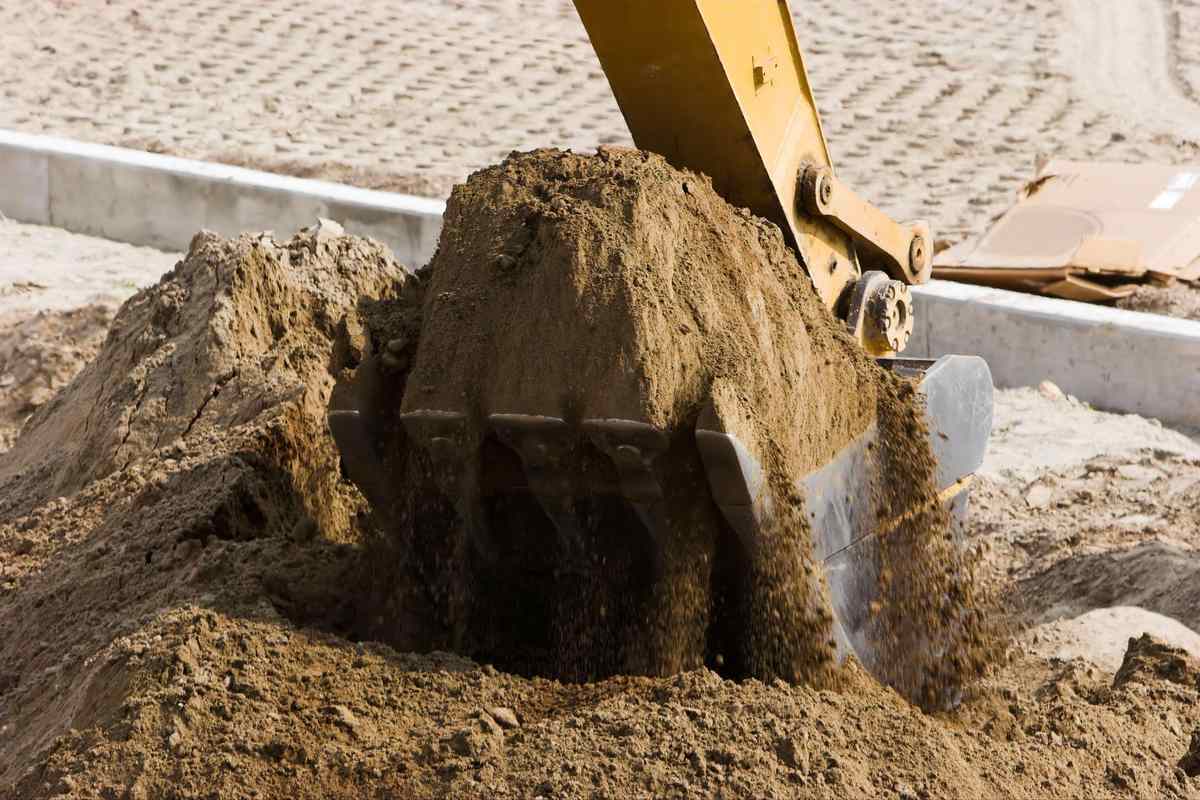
Why Shrinkage and Swelling Matter
One of the most important challenges with clay is volume change.
Certain clay soils expand as moisture content increases and shrink as they dry. Repeated movement can affect whatever is built above the clay, particularly when moisture conditions are inconsistent across the site.
This does not mean every clay site will experience serious movement. The risk depends on the mineral composition of the clay, moisture conditions, soil depth, grading, drainage, and the type of construction.
Problems can become more noticeable when one section of the ground remains wet while another dries significantly. Poor grading, leaking irrigation, drainage discharge, or water collecting beside a foundation can create uneven moisture conditions.
For structures where soil movement could affect structural performance, clay conditions should be assessed by the appropriate construction or geotechnical professional. Replacing a shallow surface layer with aggregate does not correct a deeper expansive soil condition.
How Is Clay Managed Under Patios and Hard Surfaces?
Base preparation is especially important when hard surfaces are installed over clay rich ground.
Wet clay can become soft, sticky, and difficult to compact properly. When dry, the same material can become very hard and difficult to grade. Depending on the project, preparation may involve excavation, moisture control, compaction, drainage improvements, stabilization, or replacing unsuitable material.
For smaller hardscape and landscaping projects, compactable aggregate is often installed above a properly prepared subgrade. Soil Kings’ 10mm Limestone Fines can create a dense compacted surface for certain pathways and base applications. 20mm Road Gravel is another material used where a firm aggregate base is required.
These products serve different purposes from both clay and drainage rock. Clay can restrict water movement. Drain rock provides open space for water flow. Limestone fines and compactable gravel are intended to create a tighter surface.
A successful project may need more than one material because the subgrade, drainage layer, base, and finished surface all have different jobs. For more details on where compactable limestone material can be useful, read our article Crushed Limestone Fines for Driveways and Pathways.
What Are the Advantages of Using Clay?
Clay has remained part of construction for centuries because it offers several useful characteristics when selected and processed correctly.
Manufactured clay products can be durable and long lasting. Fired bricks and tiles are common examples because heating changes the raw clay into a much harder material. Different clay types can be selected based on characteristics such as workability, absorption, colour, and resistance to heat.
Clay based walls and masonry can also provide thermal mass. Dense materials absorb and release heat gradually, which can help moderate temperature changes when the building is designed to take advantage of that property.
Clay is also a naturally occurring mineral material. Earthen construction may reduce reliance on some highly manufactured materials in suitable applications. However, environmental performance depends on the complete project. Excavation, transportation, firing temperatures, durability, and eventual disposal or reuse all affect the final result.
On construction sites, clay can also be useful where low permeability or compacted material is specifically required. The benefit comes from using its properties intentionally rather than assuming clay is suitable everywhere.
What Are the Main Challenges of Clay in Construction?
The same characteristics that make clay useful can also make it difficult to work with.
Water is one of the biggest concerns. Clay particles hold moisture and often allow water to move slowly through the soil. Combined with poor grading or expansive minerals, that can contribute to soft ground, surface water, or soil movement.
Workability also changes with moisture. Wet clay can stick to tools, boots, tires, and equipment. Dry clay can become extremely firm. Contractors therefore need to consider weather and moisture conditions when excavating, grading, or compacting clay.
Shrinkage also matters. Manufactured clay products are designed and processed with shrinkage in mind. Natural clay beneath a structure requires a different approach because moisture levels can continue changing after construction.
Reinforcement and stabilization depend on the application. Earthen walls may use fibres or other materials. Engineered earthwork may require stabilization methods. Foundations built on difficult soils may require structural designs that account for movement rather than trying to solve the issue with a shallow layer of aggregate.
This is why clay in construction needs to be considered as part of a complete system. Soil conditions, drainage, expected loads, and the materials above the clay all affect long term performance.
How Does Clay Affect Finished Landscaping?
Construction work often transitions directly into landscaping. Once a retaining wall, patio, walkway, or other hard surface is finished, the surrounding soil still needs to function properly.
Clay may be useful for shaping grades in certain applications, but planting areas typically need different conditions. Dense clay can restrict root growth and drainage when it dominates the growing zone.
Where construction transitions into lawn or planted areas, Screened Topsoil can provide a cleaner, more workable layer for final grading and landscape restoration. However, topsoil should not simply be spread over an unresolved drainage or subgrade problem.
This is another reason construction planning should separate the structural base from the planting zone. A material that performs well underneath a patio or along a grade is not automatically the material that plants need around their roots.
Choosing the Right Materials for Clay Heavy Projects
Working successfully with clay starts by identifying what each part of the project needs to accomplish. Clay may be appropriate where a compacted, relatively low permeability material is needed. If water needs to move away from a structure, washed rock or drain rock may be more suitable. If a pathway or hardscape requires a compacted surface, fines or gravel may be the better choice. When masonry or paving work requires clean sand, washed construction sand serves another purpose.
The key is not to treat clay, sand, gravel, fines, and drain rock as interchangeable. Each behaves differently under load and around water. Matching the material to the job can reduce drainage problems, settlement, surface movement, and unnecessary corrections later.
Planning the Right Material Mix for the Project
Clay is only one part of the equation. Many construction and landscaping projects perform better when drainage, compaction, and surface requirements are considered separately. That may mean using drain rock where water needs to move, limestone fines or gravel where a stable base is required, and washed construction sand for paving, masonry, or trench work.
Looking at the project layer by layer helps reduce issues with water buildup, settlement, and uneven surfaces. Soil Kings supplies clay, construction sand, limestone fines, washed rock, drain rock, gravel, and other bulk materials throughout Calgary and surrounding communities. Order now and choose the right bulk material for the way your construction or landscaping project needs to perform.