

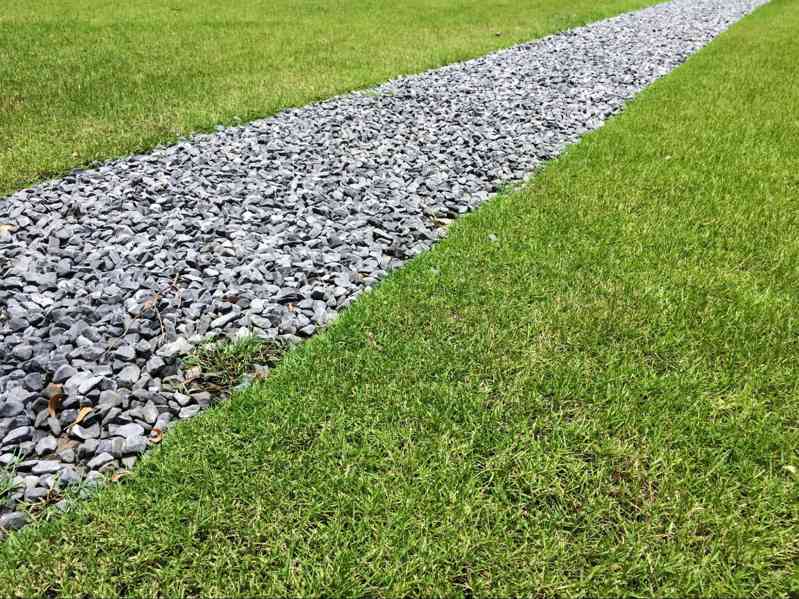
Drain rock is one of the most practical aggregate materials for managing water in landscaping and construction projects. It is commonly used when a yard, foundation area, retaining wall, pathway, or low spot needs better drainage. When water has nowhere to go, it can create muddy surfaces, soft base layers, erosion, plant stress, and moisture problems around structures. Drain rock helps reduce those issues by giving water a clear path to move through.
The main purpose of drain rock is to create open space below the surface. Unlike compactable gravel, which is designed to lock together tightly, drain rock leaves gaps between the stones. Those gaps allow water to pass through more freely instead of sitting in soil or collecting against a foundation. That is why it is often used in French drains, weeping tile systems, retaining wall backfill, dry creek beds, foundation drainage, and other areas where water control matters.
For Calgary homeowners, landscapers, and contractors, proper drainage is especially important because outdoor spaces deal with rain, snowmelt, freeze and thaw cycles, and changing soil conditions. Drain rock is not always the visible part of the project, but it often determines how well the finished area performs over time.
What Is Drain Rock?
Drain rock is a coarse aggregate used to improve water movement through soil, trenches, and drainage systems. It is usually made from angular stone and selected because it does not pack tightly like road gravel. The space between the stones allows water to move through the material and away from areas where it could cause damage or create maintenance problems.
Soil Kings’ 40mm Drain Rock is one example of a larger angular stone used for heavy duty drainage applications, including French drains, basement gravel, erosion control, and foundation drainage areas. A larger stone can be useful where strong water movement is needed and the material will be part of a functional drainage system rather than a finished decorative surface.
The size of the rock should always match the project. Larger drain rock is often used where drainage performance is the main priority. Smaller washed rock may be better where the material will remain visible or where the area needs both drainage and a cleaner finished appearance. Our article The Benefits And Uses Of Washed Rock explains how washed rock can support drainage, reduce erosion, and create a cleaner finish in gardens, pathways, driveways, and drainage areas.
Why Drain Rock Improves Drainage Systems
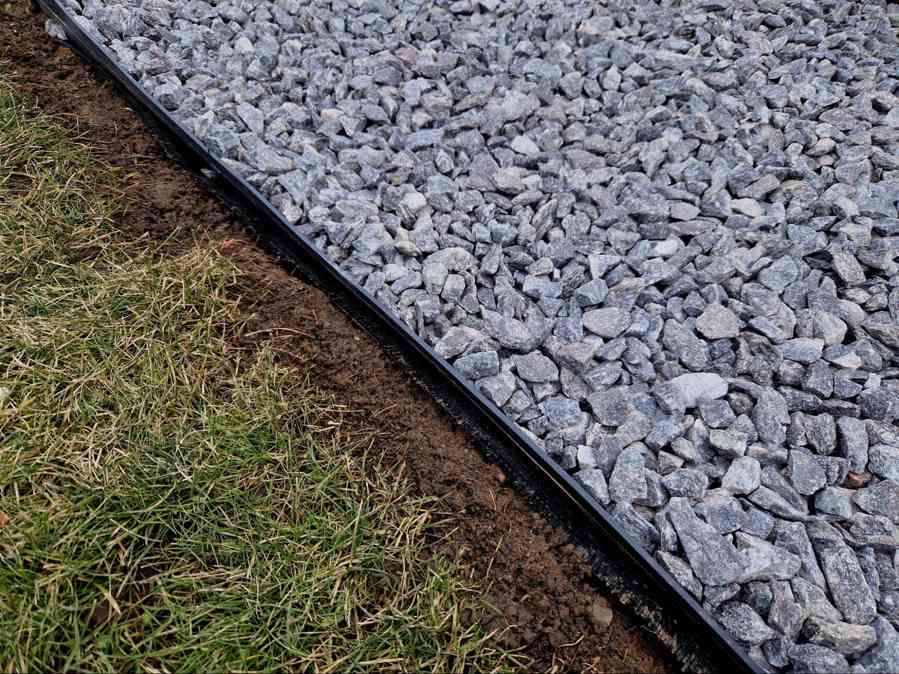
Drainage systems rely on open space. Water needs somewhere to move, and drain rock helps create that pathway. When soil is dense or an aggregate contains too many fine particles, water can slow down or become trapped. Over time, that can lead to pooling, soft ground, erosion, frost movement, and repeated repairs.
In many drainage systems, drain rock is used with landscape fabric and perforated pipe. The fabric helps keep soil from mixing into the rock. The pipe collects and redirects water. The drain rock surrounds the pipe and allows water to move through the trench more easily.
This is why drain rock is commonly used in French drains. A French drain collects excess water from a low or wet area and moves it toward a safer outlet. Without a clean drainage layer, the trench can clog as soil and fine particles settle into the open spaces. Once that happens, water movement slows and the system becomes less effective.
For more detail on drainage specific uses, our article What Is Drain Rock And How Is It Used in Landscaping? explains how drain rock is used in French drains, foundation protection, garden bed bases, dry creek beds, and erosion control areas.
Drain Rock Around Foundations
Foundation drainage is one of the most important uses for drain rock. Water should not be allowed to sit against a home or building for long periods. Saturated soil can increase pressure against foundation walls and contribute to moisture problems. Proper grading, downspout placement, drainage pipe, and the right aggregate all help move water away from the structure.
Drain rock is often used around foundations because it creates a drainage zone beside the wall. Instead of water sitting in dense soil, it can move through the rock layer and toward a pipe or outlet. This is especially useful where native soil drains slowly or where water collects after rain or snowmelt.
A common mistake is assuming drain rock alone will fix foundation drainage. It will not. The grade still needs to slope away from the house. Downspouts still need to discharge properly. Landscape fabric may be needed to keep soil out of the rock. If a pipe is used, it needs the right slope and a proper outlet. Drain rock improves the system, but it works best when the full drainage plan is built correctly.
For side yards and foundation edges where drainage and a finished surface both matter, Soil Kings’ 25mm Washed Rock can also be useful. It is a mid-sized fractured aggregate commonly used for weeping tile systems, dog runs, drainage, sides of houses, erosion control, and general landscaping.
Drain Rock for Retaining Walls
Retaining walls need proper drainage because water buildup behind the wall creates pressure. That pressure can push against the structure and may lead to movement, bulging, or failure over time. In Calgary’s freeze and thaw conditions, trapped water can create even more stress as moisture freezes and expands.
Drain rock is commonly placed behind retaining walls to give water a place to move. In many wall systems, the drain rock sits behind the blocks or timbers and directs water down toward a pipe or drainage outlet. Without this drainage layer, soil behind the wall can stay saturated and increase pressure on the wall.
The amount of drain rock required depends on the wall height, soil type, design, and drainage plan. A small garden wall may only need a basic drainage zone, while a larger retaining wall may require more careful planning. In both cases, the purpose is the same. Drain rock helps reduce trapped moisture so the wall has a better chance of staying stable over time.
Drain Rock in Garden Beds and Planters
Drain rock can also be useful in some garden beds, large planters, and low areas where excess water needs a place to move. Plant roots need moisture, but they also need oxygen. If water sits around the root zone too long, plants may struggle, and root rot can become more likely.
In large planters or areas with poor native drainage, a drainage layer may help move excess water away from the soil. However, drain rock should not be used as a substitute for proper planting soil. If the soil itself is too dense, adding rock below it may not solve the problem. Water can still collect in the soil layer if the mix does not drain properly.
This is why drain rock should be used with a clear purpose. It can support drainage in the right setting, but it does not replace good soil structure, organic matter, proper slope, or careful watering. For planting areas, the goal is balanced moisture, not simply fast drainage.
Where Drain Rock Works Best
The best use of drain rock depends on how water moves through the site. Some projects need a hidden drainage layer below the surface. Others need a visible rock area that reduces mud, controls runoff, or protects soil from erosion. Matching the material to the project helps avoid wasted effort and better supports long term performance.
Common uses for drain rock include:
● French drains where water needs to be collected and redirected
● Foundation drainage and weeping tile systems
● Retaining wall backfill where trapped water must be relieved
● Dry creek beds that guide surface runoff through a yard
● Garden bed bases or large planters where excess water needs a route out
● Erosion control areas where moving water needs to be slowed or stabilized
● Side yards where grass struggles and muddy soil needs a cleaner surface
This kind of project matching is important because aggregates are not interchangeable. Drain rock is selected for water movement. Road gravel is selected for compaction. Washed sand is selected for bedding, construction, and certain drainage applications. Using the wrong material can make a project harder to finish and less reliable over time.
Drain Rock Compared to Washed Rock
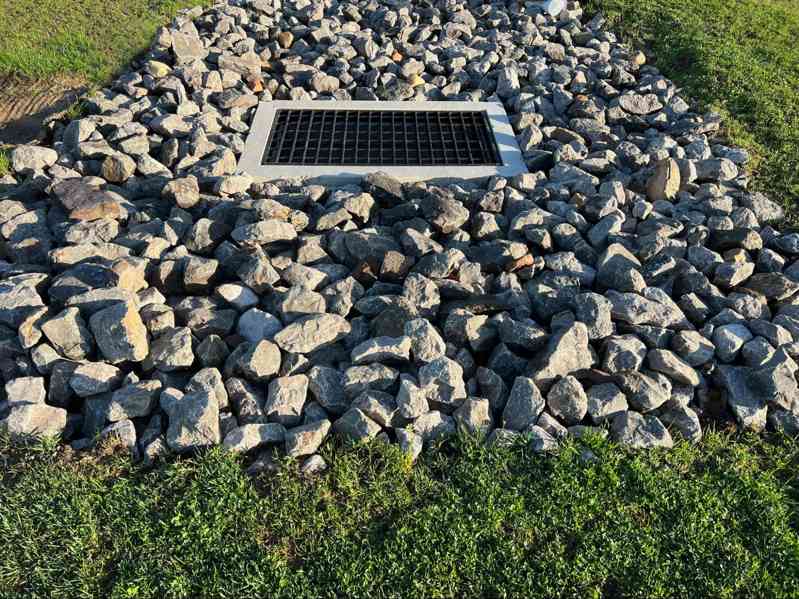
Drain rock and washed rock are related, but they are not always used for the same purpose. Drain rock is usually chosen for functional drainage systems where larger voids and strong water movement are needed. Washed rock is often used where drainage and appearance both matter.
For example, a French drain or foundation drainage system may need larger drain rock. A side yard, dog run, or decorative drainage strip may be better suited to washed rock because it creates a cleaner finished surface while still allowing water to move. Washed rock has also been cleaned to remove much of the silt and fine material that can interfere with drainage.
The right choice depends on whether the material will be buried or visible. If the rock is behind a retaining wall or around a pipe, drainage performance is usually the priority. If the rock will be seen beside a house, in a dog run, or along a garden border, appearance and comfort may also matter.
For smaller visible applications, Soil Kings’ 14mm Washed Rock can work well where a smaller angular stone is preferred. For more decorative spaces, our 20mm Round Natural Washed Rock gives a softer appearance and can be used in garden accents, side yards, and other finished areas.
Drain Rock Compared to Washed Construction Sand
Washed construction sand serves a different purpose than drain rock. Drain rock creates larger open spaces for water movement. Washed sand has much smaller particles and is often used for bedding, trench backfill, paver preparation, concrete work, and construction applications where a clean, properly sized material is needed.
Soil Kings’ 5mm Washed Sand is a coarse, screened sand used for construction and landscaping applications. It can be useful under paving stones, in trench backfills, and around weeping tile systems where a clean sand material is required.
The difference is mainly about particle size and function. Drain rock creates larger drainage voids. Washed sand creates a more refined bedding or backfill layer. Some projects may use both materials, but in different parts of the system. A paver project may need washed sand for bedding, while a separate drainage trench nearby may need drain rock or washed rock to move water away.
Our article Washed Sand for Construction Applications and Choosing the Right Size explains how clean, properly sized sand supports construction and landscaping projects, including paver preparation, base work, and drainage related uses.
Drain rock Compared to Road Gravel
Road gravel is designed for a different job than drain rock. It usually contains a mix of crushed stone and finer particles that help the material compact into a firm surface. That makes it useful for driveways, parking pads, roads, and base layers under hard surfaces. Drain rock does not compact the same way because its value comes from the open space between stones.
This is one of the most common aggregate mistakes. A homeowner may choose drain rock for an area that actually needs a compacted base. Another may choose road gravel for an area that needs open drainage. Both materials are useful, but they solve different problems.
Soil Kings’ 20mm Road Gravel is a sand and gravel mix used for compacting under concrete slabs, paving stones, and hard surfaces. It can also be used for gravel driveways or parking pads where a firm surface is needed.
For more detail on compactable aggregate, our article What Is Road Gravel? Types, Uses and Benefits for Durable Roads explains how road gravel supports driveways, pathways, base preparation, and other residential or commercial applications.
Common Drain Rock Mistakes to Avoid
Drain rock works well when the site is prepared properly. One common mistake is installing too little material. A thin layer may not create enough drainage space, especially in areas with heavy runoff or saturated soil.
Another mistake is allowing soil to mix into the drain rock. Once fine particles fill the spaces between stones, water movement slows. Landscape fabric is often used to separate the rock from surrounding soil, especially in French drains and retaining wall drainage zones.
A third mistake is failing to provide an outlet. Drain rock can move water through a trench or drainage layer, but the water still needs somewhere to go. A trench that collects water without directing it away may simply move the problem from one area to another.
Another mistake is overlooking where the water will end up after it leaves the drainage area. Moving water away from one wet spot is helpful, but it should not create a new problem beside a neighbour’s property, sidewalk, driveway, or planting bed. Drainage should be directed to an appropriate discharge point where water can disperse safely and legally. This is especially important on tighter residential lots where side yards, fences, and property lines leave very little room for error.
It also helps to think about access before installation begins. Drain rock is heavy, and moving it by hand through a narrow yard or around finished landscaping can add unnecessary labour. Planning the delivery location, wheelbarrow route, and staging area ahead of time can make the project easier to complete and reduce cleanup once the material is in place.
It is also important not to use drain rock as a universal base material. If a project needs compaction, road gravel may be a better choice. If it needs a fine bedding layer, washed sand may be more appropriate. Drain rock should be chosen when drainage is the main goal.
How Much Drain Rock Do You Need?
The amount of drain rock needed depends on the dimensions of the project. For a French drain, the trench length, width, and depth all matter. For a retaining wall, the height and length of the drainage zone behind the wall need to be considered. For a side yard or surface drainage strip, the coverage area and desired depth determine the volume.
Most bulk aggregates are measured in cubic yards. To estimate the amount needed, multiply the length by the width by the depth, then convert the result to cubic yards. It also helps to account for uneven ground, trench shape, and settlement.
For drainage projects, careful measuring matters. Too little drain rock can reduce performance. Too much can increase cost or make finishing the surface more difficult. Contractors usually calculate based on trench or wall dimensions, while homeowners often estimate by square footage and planned depth for simpler surface applications.
Choosing the Right Drain Rock for the Project
Choosing the right drain rock starts with understanding what the area needs to do. A foundation drainage system may need larger rock, pipe, fabric, proper slope, and a clear outlet. A muddy side yard may need washed rock that can improve drainage while also creating a cleaner finished surface. A driveway or paver base may need road gravel or washed sand instead, because those materials are better suited to compaction and support.
Material selection should always match the function of the project. Drainage areas need open space for water movement. Base projects need compactable material. Decorative areas need a balance of appearance, durability, and maintenance. Garden areas need drainage that protects roots without causing the soil to dry out too quickly.
Why Drain Rock Is Worth Planning Properly
Drain rock works best when it is used as part of a planned drainage system, not as a general material for every outdoor project. When the rock size, base preparation, slope, and outlet are chosen correctly, it can help reduce water buildup, protect structures, control erosion, and make outdoor areas easier to maintain.
Soil Kings supplies drain rock and other bulk aggregates throughout Calgary and the surrounding area, helping homeowners, landscapers, and contractors choose the right material for each part of the project. All materials are delivered loose in bulk or loaded directly into trucks, with zero plastic bags and no unnecessary packaging waste. Order today and get the right aggregate in place for a cleaner, stronger, and better draining project.