

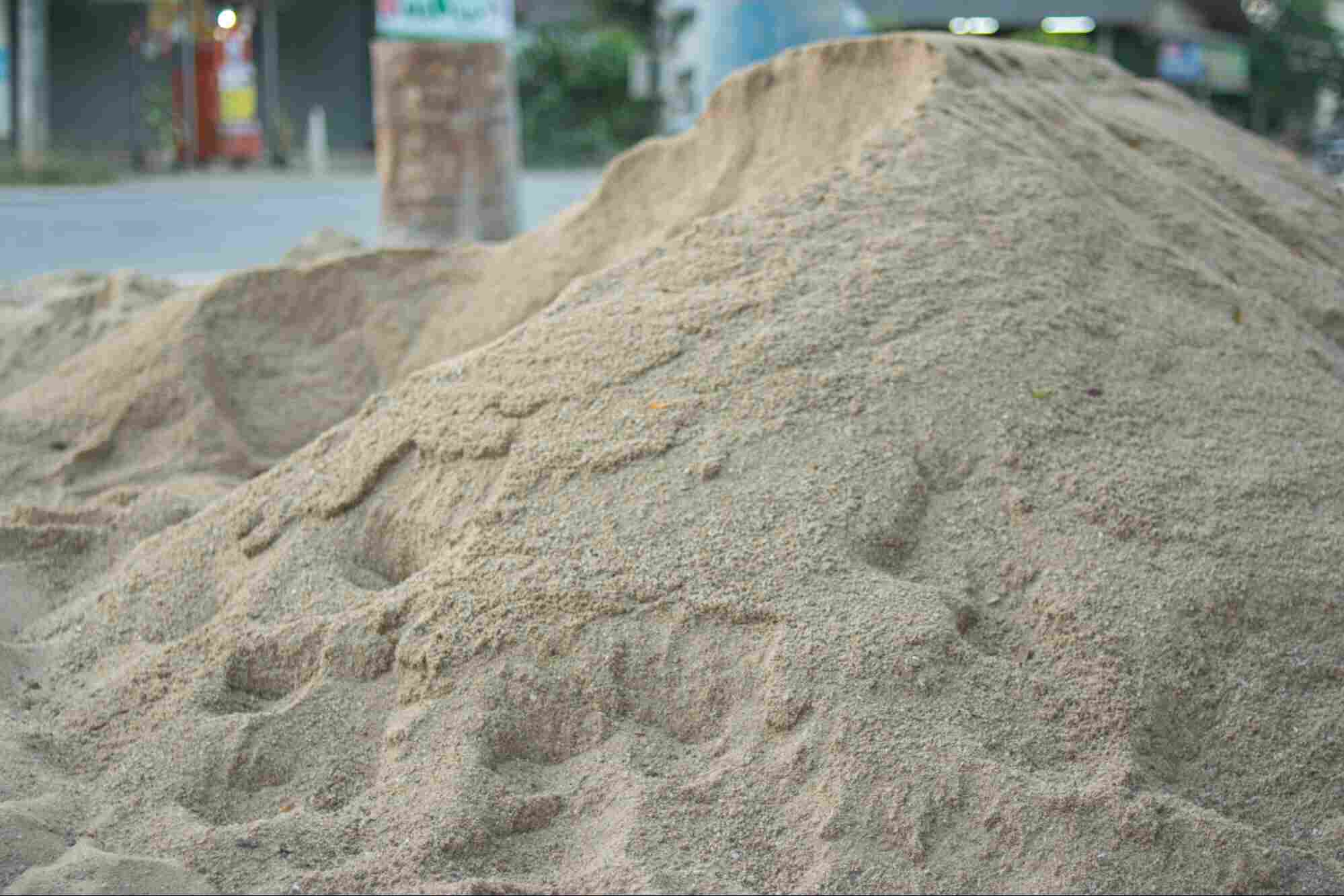
Washed construction sand is a practical material for landscaping, construction, drainage, and base preparation projects where cleanliness and consistency matter. For Calgary homeowners, landscapers, and contractors, the right sand can make a major difference in how well a project drains, compacts, supports weight, and holds up over time.
The term washed construction sand refers to sand that has been processed to remove much of the clay, dust, silt, and excess fine material that can interfere with performance. That cleaner texture makes it easier to work with and more reliable for projects where water movement, bonding, or a stable surface is important.
Choosing sand is not only about ordering “sand”. Grain size, project type, drainage needs, and the materials around it all matter. A paver base may need a different sand than a masonry project. A drainage trench may need washed sand in one layer and drain rock in another. A driveway base may need compactable road gravel instead of sand alone. Understanding those differences helps prevent soft spots, poor drainage, shifting surfaces, and unnecessary rework.
What Is Washed Construction Sand?
Washed construction sand is sand that has been screened and washed to create a cleaner, more consistent material. The washing process helps remove loose dust, clay, silt, and other fine particles. This matters because extra fines can change how sand drains, compacts, and bonds with other materials.
In construction and landscaping, cleaner material usually gives more predictable results. Washed sand tends to move and level more evenly than dirty or clay-heavy sand. It can also improve workability in concrete, masonry, bedding, and backfill applications because the material is less likely to contain unwanted debris or excess fine particles.
Washed construction sand is commonly used for paver bedding, concrete-related work, trench backfill, drainage support, masonry, stucco, and landscaping tasks that need a clean granular material. For many outdoor projects, it sits between fine finishing material and larger aggregate. It is smaller than rock, but cleaner and more purposeful than general fill.
Different washed sand sizes are suited to different jobs. Soil Kings’ 5mm Washed Sand is a coarser sand that can work well for pavers, drainage, concrete-related work, and applications where a firmer granular material is useful. 3mm Washed Sand is finer and may be better suited for masonry, bricklaying, stucco, joint filling, and play areas where a softer texture is preferred.
The right choice depends on how the sand needs to behave once it is installed. If it needs to support hardscape, move water, or provide a more stable bedding layer, coarser sand is often the better fit. If the project needs smoother finishing, tighter joints, or better workability for mortar-related applications, finer sand may be more appropriate.
Key Characteristics of Washed Construction Sand
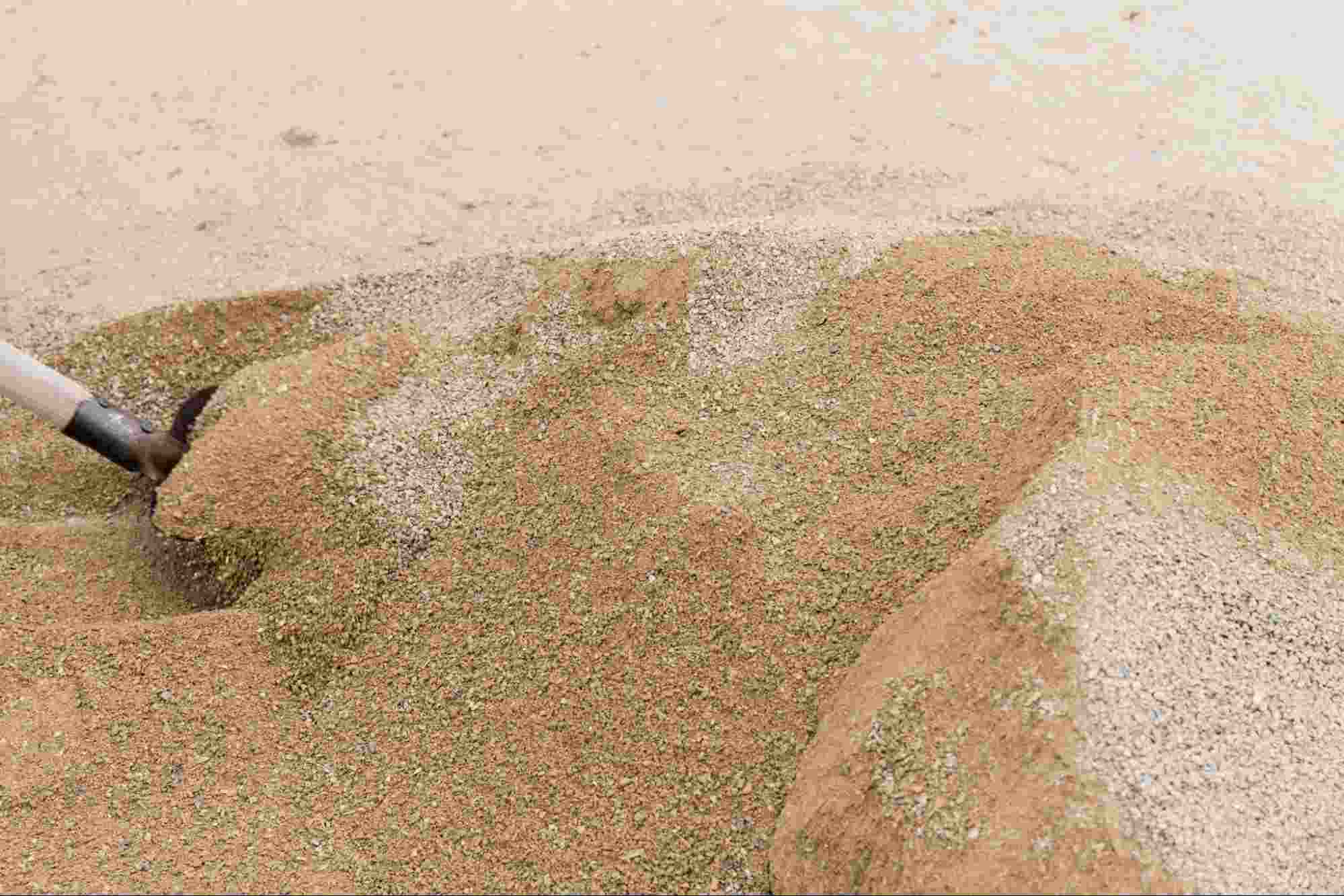
The main characteristics of washed construction sand are grain size, cleanliness, texture, and composition. Each one affects how the sand performs in the field.
Grain size is usually the first thing to consider. Coarser sand has larger particles, which can create better drainage and a firmer base in some applications. Finer sand has smaller particles, which can improve workability for masonry, finishing, and joint filling. Neither option is automatically better. The correct size depends on the job.
Cleanliness is just as important. Sand that contains too much clay, silt, or dust can hold water, reduce drainage, and make compaction less predictable. In concrete and masonry work, impurities can also affect consistency and finish. Washed sand is preferred in many construction applications because it has been cleaned to reduce those issues.
Texture also matters. Angular or sharper particles tend to lock together better than very rounded particles. This can improve stability under pavers and hardscape features. Softer or finer sand may feel better underfoot, but it may not provide the same support for structural applications.
Composition affects how the sand interacts with other materials. When sand is used with gravel, drain rock, road gravel, or washed rock, each layer should have a clear purpose. Sand may be used for leveling or bedding, while rock may be used to create open space for water movement. When the wrong material is used in the wrong layer, water can become trapped, surfaces can shift, or the base can lose strength.
Moisture content can also affect how the material handles on site. Damp sand may be easier to shape and place, while very wet sand can feel heavier and may require more care during grading. This does not make the material poor quality. It simply means the installer should account for site conditions, recent weather, and how the sand will be spread or compacted.
This is why washed construction sand should be selected as part of the full project system, not as a standalone product. A patio, trench, retaining wall, or drainage area may need multiple materials working together.
Common Uses for Washed Construction Sand
Washed construction sand is used in a wide range of outdoor and construction projects because it is clean, workable, and versatile. Some projects need it for strength. Others need it for drainage, leveling, backfilling, or finishing.
Common uses include:
- Paver bedding for patios, walkways, driveways, and outdoor living areas
- Concrete mixing where clean aggregate supports better consistency
- Masonry, bricklaying, stucco, and joint filling
- Trench backfill around utilities, pipes, and drainage lines
- Drainage layers where smaller granular material is required
- Retaining wall base preparation and backfill support
- Landscaping fill where clean sand is preferred over clay-heavy material
- Play areas where a softer, finer washed sand is appropriate
For paver projects, washed sand is often used as a bedding layer above a compacted base. The base may be built with a stronger compactable material such as 20mm Road Gravel, while the sand helps create a level surface for the pavers. The gravel provides structure, and the sand helps with final adjustment and placement.
Washed sand may be used in combination with larger aggregate for drainage projects, and is often more appropriate where water needs to move quickly through larger open spaces, such as around foundations, French drains, and basement drainage areas. Washed sand may support certain backfill or bedding needs, but it should not replace drain rock when the project requires large void space for water flow.
For utility trenches, washed sand can be useful because it is easier to place around pipes and lines than coarse, angular rock. It helps create a more even surrounding layer while reducing contact with larger stones that could create pressure points. The correct material will depend on the type of utility, local requirements, and the drainage needs of the trench.
If the project is related to landscaping, washed sand can help with grading, leveling, and filling low areas where a clean granular product is needed. It can also be useful around hardscape edges, under certain walkway sections, or as part of a broader material plan for outdoor improvements. The key is to avoid using sand where a compactable base or larger drainage aggregate would perform better.
Benefits of Using Washed Construction Sand
The biggest benefit of washed construction sand is predictability. When a material has been cleaned and sized, it is easier to place, level, compact, and combine with other construction materials. That matters on both small backyard projects and larger contractor jobs.
Clean sand can improve workability in concrete and masonry applications because it contains fewer unwanted fines and contaminants. It can help mixes feel more consistent and easier to manage. For masonry, stucco, and joint filling, a finer washed sand such as the 3mm Washed Sand can provide the smoother texture needed for better finishing.
Washed sand can also support better drainage than dirty or clay-heavy sand. When excess fines are present, they can fill the spaces between sand particles and slow water movement. In areas where water needs to move away from a surface, cleaner material helps reduce that risk.
Another benefit is reduced mess. Washed sand is still a natural aggregate product, but it generally contains less dust and debris than unwashed alternatives. That makes it easier to work with on residential properties, commercial jobsites, and areas where the finished appearance matters.
For contractors, consistency can help save time. Crews can place and grade the material more efficiently when they know what to expect from the load. For homeowners, it reduces the guesswork involved in choosing material for patios, walkways, garden features, and drainage projects.
How Washed Construction Sand Differs From Other Types of Sand
Washed construction sand is different from unwashed sand, play sand, river sand, and general fill. The difference comes down to processing, grain size, cleanliness, and intended use.
Unwashed sand may contain more clay, silt, dust, and organic material. That may be acceptable for rough fill in some cases, but it is not ideal for projects where drainage, bonding, compaction, or finish quality matters. Extra fines can hold moisture and make the sand less predictable.
Play sand is usually finer and softer. It is selected for comfort and safety in play areas, not for heavy base preparation or drainage. While some washed sand can be used in play areas, construction sand should still be selected based on the specific product and intended use.
River sand is naturally formed and often has rounded particles. That can make it useful in certain applications, but rounded particles may not lock together the same way sharper construction sand can. For base and bedding applications, particle shape can influence stability.
General fill is a broader category and may include soil, sand, clay, or mixed material. It is usually selected for raising grades or filling space, not for clean construction use. If the project requires reliable drainage, cleaner bedding, or better workability, washed sand is usually a more suitable option than random fill.
Washed construction sand also differs from washed rock. Sand is usually used for bedding, leveling, masonry, backfill, and smaller drainage-supporting applications, while washed rock is better suited to areas where larger void space, decorative coverage, or stronger drainage movement is required. Read our article Washed Rock: Benefits and Common Uses In Landscaping to learn where washed rock fits into drainage, pathways, dog runs, garden borders, and low-maintenance landscape beds.
Washed Construction Sand for Concrete and Masonry
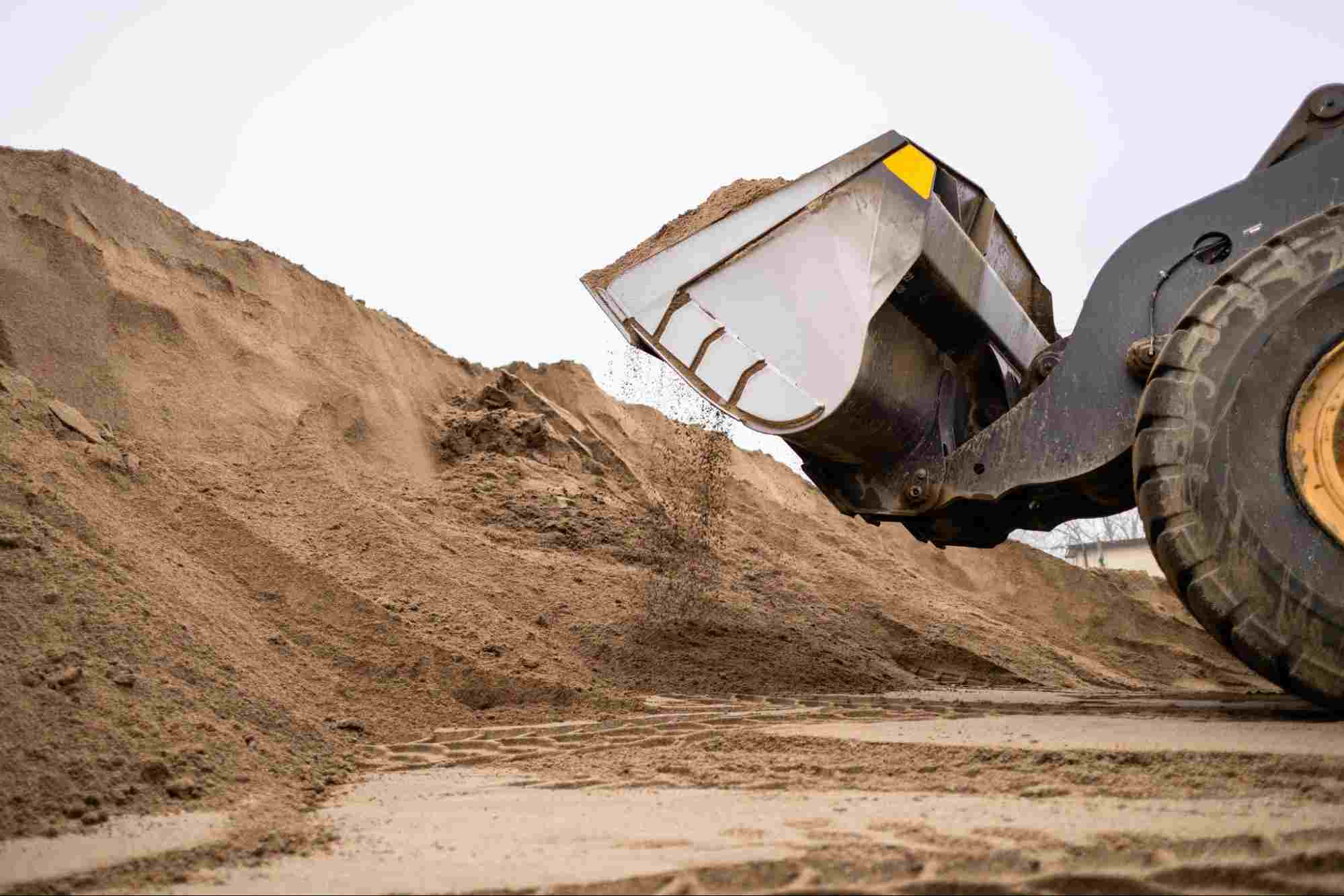
Washed construction sand is often used in concrete and masonry because cleanliness and particle size affect workability. In concrete, sand fills the spaces between larger aggregate and helps create a workable mix. If the sand contains too much clay or organic material, the mix can become less consistent and harder to finish.
For masonry and stucco, finer washed sand is usually preferred because the texture needs to be smoother. Soil Kings’ 3mm Washed Sand can be a better fit for bricklaying, stucco work, and filling joints between paving stones. The finer grain size allows for more controlled placement and a cleaner finish.
Coarser sand may still be useful in concrete-related work, especially where drainage or stability is part of the project. For example, our 5mm Washed Sand can support applications such as paver bedding, trench backfill, and construction use where a firmer texture is needed.
The important point is that the sand should match the application. A sand that is too coarse may be harder to finish in masonry. A sand that is too fine may not provide the drainage or stability needed for bedding and base work. When in doubt, the project requirements should guide the size selection.
For contractors, this matters because different trades may use sand differently on the same jobsite. A crew installing pavers may want a coarser bedding sand, while a masonry crew may need a finer product for a cleaner finish. Ordering the correct sand from the start helps avoid delays, material swaps, and unnecessary extra handling.
Washed Construction Sand for Pavers and Hardscape Projects
Paver projects need a stable base and a clean bedding layer. Washed construction sand can be useful in the bedding layer because it helps create a level surface for the pavers. However, sand should not be expected to do the work of the entire base.
A typical hardscape project often starts with excavation and proper grading. Then a compactable base material is installed and compacted in layers. Road gravel is commonly used for compacting underneath concrete slabs, paving stones, and other hard surfaces because it contains a sand and gravel blend designed for stability.
Once the base is prepared, washed sand can be placed as a bedding layer. This layer helps fine-tune the surface before the pavers are installed. If the sand layer is too deep, it can shift and settle. If the base underneath is poorly compacted, the pavers may move even if the sand itself is clean.
Road gravel is often part of the base planning for driveways, roads, pathways, and hardscape projects. For a closer look at when it makes sense, read our article What Is Road Gravel? Types, Uses, And Benefits For Durable Roads to understand road gravel’s role in creating stable, compacted foundation layers.
Paver projects also need edge restraint, proper slope, and drainage planning. Sand can support a good installation, but it cannot fix poor grading. Water should be directed away from homes, buildings, and low areas so the finished surface stays firm and functional.
Homeowners should also avoid using washed sand as a quick fix over unstable ground. If the soil below is soft, saturated, or uneven, that issue needs to be corrected before the bedding layer is installed. A strong finished surface starts with the layers underneath.
Washed Construction Sand for Drainage Systems
Washed construction sand can be used in some drainage applications, but it is important to understand its limits. Sand has smaller particles than rock, so it does not create the same large open spaces for water movement. It can help with bedding, leveling, or backfill in certain areas, but larger aggregate is often required where drainage performance is the main goal.
For foundation drainage, French drains, and wet areas, drain rock is often the better material because it allows water to move through open spaces between larger stones. Drain rock is a well suited aggregate for heavy-duty drainage applications where larger void space and strong water movement are required.
Washed rock can also be used where drainage and appearance both matter. Soil Kings’ 20mm Round Natural Washed Rock provides a smoother appearance for garden accents, side yards, and decorative drainage areas, and the 7-10mm Round Natural Washed Rock can be used for detailed landscaping, paths, driveways, and garden beds where a smaller washed rock is preferred.
Drainage projects should always be planned around water movement. A material that looks clean on the surface may not solve the issue if the grade is wrong, the outlet is blocked, or the wrong aggregate size is used. The goal is to create a clear path for water to move away from problem areas.
Read our article Drain Rock: Uses For Landscaping And Construction to understand how drain rock is used around foundations, retaining walls, pathways, and low spots where water management matters.
How to Choose the Right Size of Washed Construction Sand
Choosing the right washed construction sand starts with the purpose of the material. A product should be selected because it performs the function the project needs, not just because it is available.
For paver bedding, patios, and some construction uses, coarser sand is often preferred because it provides better stability and drainage than very fine sand. Soil Kings’ 5mm Washed Sand is a strong fit for these applications because it is clean, firm, and useful for bedding, backfill, and drainage-supporting work.
For masonry, stucco, bricklaying, and joint filling, finer sand is usually the better option. 3mm Washed Sand provides a smoother texture that is easier to work into joints or use in finishing applications.
Regarding compacted base work, road gravel is often better than sand. Sand can level, cushion, or fill, but it does not provide the same compacted structure as a proper sand and gravel blend. Driveways, parking pads, concrete bases, and paver bases often need compactable material below the bedding layer.
For decorative areas, sand may not be the best finish. Washed rock, round natural washed rock, or smaller decorative aggregate may provide a cleaner, more durable surface in garden beds, side yards, pathways, and low-maintenance landscape areas. For more information on where washed rock fits into decorative and drainage-focused products, read our article Washed Rock: Benefits And Common Uses In Landscaping.
Buying Tips and Cost Considerations for Washed Construction Sand
Before ordering washed construction sand, calculate the area, depth, and total volume required. Ordering too little can slow the job down. Ordering too much can create extra cleanup and disposal work. For contractors, accurate ordering also protects margins and keeps crews productive.
Think about access before delivery. Bulk material needs a clear, safe drop location. If the sand is being delivered to a residential property, choose a spot that is close enough to the work area but does not block traffic, drainage, or access to doors and garages. For jobsite delivery, make sure the drop zone is communicated clearly so material lands where crews can use it efficiently.
Cost depends on material type, volume, delivery location, and whether pickup or delivery is the better option. Pickup can work well for smaller jobs if you have the right truck or trailer. Delivery is often more efficient for larger projects, especially when moving multiple cubic yards of sand, gravel, or rock.
Using the wrong material can add cost later, even if it seems less expensive at first. Poor drainage, settling, weak compaction, or extra labour can all create avoidable problems. Choosing a clean, properly sized material helps the project perform more reliably from the start.
For larger projects, loose bulk material can also make planning easier. The required amount can be ordered without relying on individual bags, and Soil Kings can deliver the material or load it directly into a truck or trailer. This helps reduce extra packaging and keeps larger outdoor projects easier to organize.
Which Related Products Should Be Considered With Washed Construction Sand?
Washed construction sand is often used alongside other bulk materials. The best combination depends on whether the project needs drainage, compaction, finishing, or visual appeal.
For paver patios and walkways, washed sand is often used with road gravel. Road gravel creates the compacted base, while washed sand helps form a level bedding layer for the surface above.
For drainage trenches, washed sand may be useful near pipe bedding, but drain rock is usually a better fit for the main drainage zone because it allows water to move more freely. In side yards or decorative drainage strips, washed rock may also provide a cleaner finished look than sand.
Washed rock can be a good option where a practical, angular aggregate is required for drainage, dog runs, weeping tile systems, or erosion control. Smaller washed rock may work well in tighter drainage and landscaping areas where a cleaner aggregate is preferred. Round washed rock can offer a smoother decorative look for garden accents, pathways, garden beds, and other finished landscape areas.
For pathways and compacted decorative surfaces, rundle fines may be considered when a modern, compactable decorative product is more appropriate than sand. It is not a direct replacement for washed construction sand, but it may be a better fit for certain pathway or landscape design goals.
The key is to avoid treating all aggregates as the same. Sand, road gravel, drain rock, washed rock, and fines each have different strengths. Matching the material to the job creates a better result and reduces the chance of failure.
What Should Homeowners and Contractors Know Before Ordering Washed Construction Sand?
Washed construction sand should be viewed as a project-specific material rather than a general fill product. Its performance depends on grain size, cleanliness, drainage needs, base preparation, and how it works with surrounding materials. A paver project, masonry job, drainage trench, and backfill application may all require sand, but each one uses it in a different way.
The most effective choice starts with understanding the role the sand needs to play. Coarser washed sand is often better suited for bedding, drainage support, and construction use where stability matters. Finer washed sand is more appropriate for masonry, stucco, joint filling, and applications that need a smoother finish. When water movement or base strength is the priority, washed sand may need to be paired with other materials such as road gravel, drain rock, or washed rock.
When washed construction sand is selected and placed correctly, it helps improve workability, reduce unwanted fines, support better drainage, and create a more reliable finished surface. For homeowners, landscapers, and contractors planning bulk material orders, Soil Kings can help supply clean washed sand and related aggregates that fit the application and support a better long-term result. Order now to schedule pickup or delivery for the materials your project requires.