

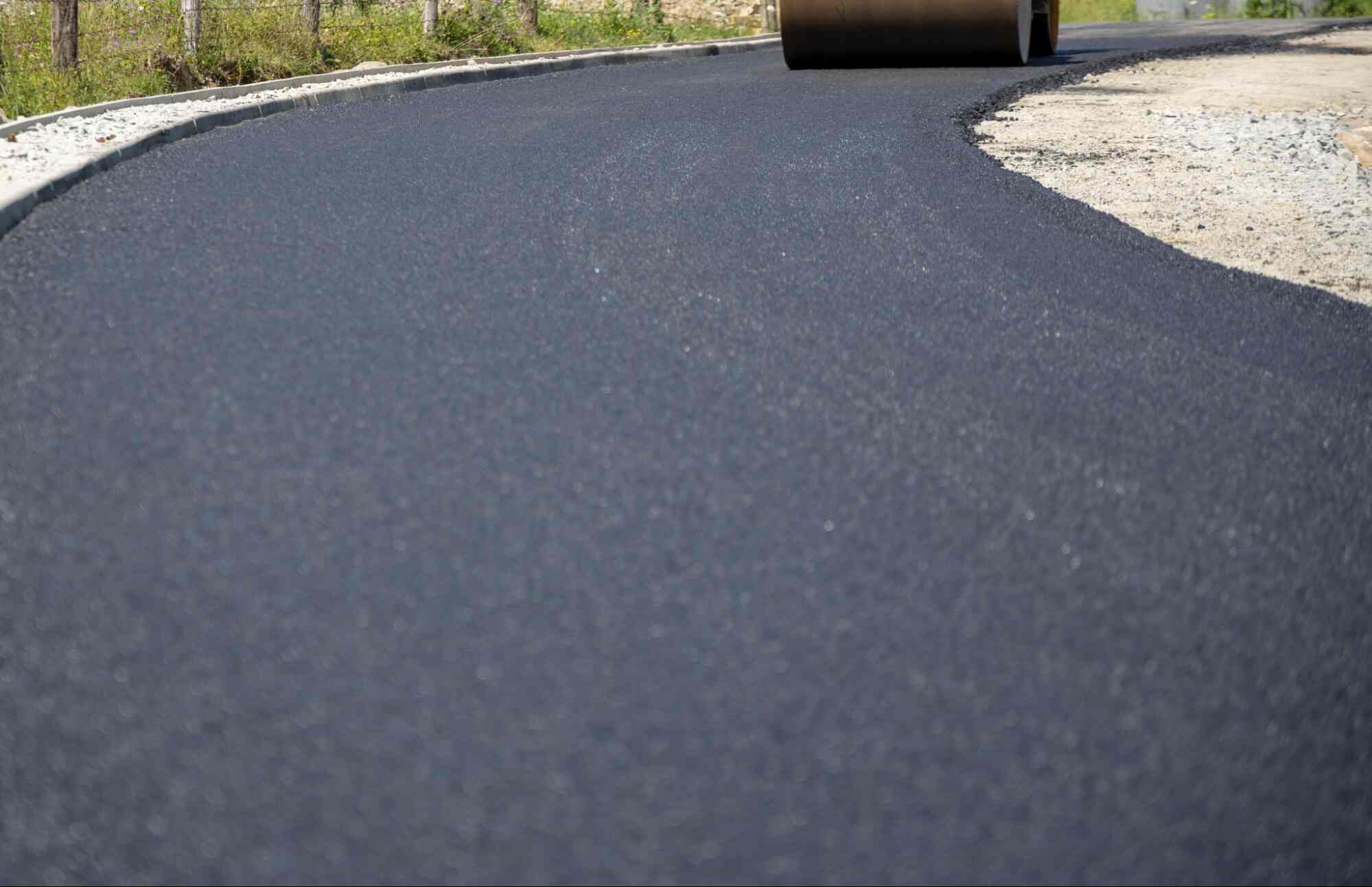
A recycled asphalt driveway is a practical option for homeowners, contractors, and property managers who want a durable surface without choosing new asphalt, poured concrete, or loose gravel. It is commonly used for driveways, parking pads, access lanes, pathways, and rural-style surfaces where compaction, cost, and long-term performance all matter.
Recycled asphalt, also called reclaimed asphalt pavement, is made from old asphalt that has been removed, crushed, and processed into reusable aggregate. Because it already contains asphalt binder, the material can compact into a firmer surface than many loose gravel options when it is installed properly. That makes it useful for driveways that need better dust control, improved stability, and a cleaner finished surface than standard gravel.
For Calgary properties, driveway material selection needs to account for freeze-thaw cycles, drainage, grading, vehicle traffic, and long-term maintenance. A recycled asphalt driveway can perform well when it is placed over a properly prepared base, compacted correctly, and maintained as needed. It is not the same as freshly paved hot asphalt, but it can offer a strong middle ground between loose gravel and a fully paved driveway.
What Is a Recycled Asphalt Driveway?
A recycled asphalt driveway is a driveway surface built using reclaimed asphalt material instead of newly manufactured asphalt pavement. The material comes from existing roads, parking lots, and paved surfaces that have been removed and processed for reuse. Once crushed into a workable size, it can be spread, graded, and compacted to create a driveway surface.
Soil Kings’ Recycled Asphalt is used mostly for pathways and driveways, and it can help keep dust down compared to using road gravel alone. That makes it a practical option for homeowners who want a firmer driveway surface and contractors who need bulk material for driveways, parking areas, and access routes.
Unlike new hot mix asphalt, recycled asphalt is typically installed as a compacted aggregate product. It does not arrive hot, and it does not create the same seamless paved surface as a professional asphalt paving job. Instead, it is placed more like gravel, then compacted to create a denser surface. Over time, heat, pressure, traffic, and proper compaction can help the asphalt particles settle together.
The quality of the finished driveway depends on more than the material itself. Base preparation, depth, moisture conditions, drainage, compaction equipment, and grading all affect the final result. This is why recycled asphalt should be treated as part of a complete driveway system rather than a quick surface cover.
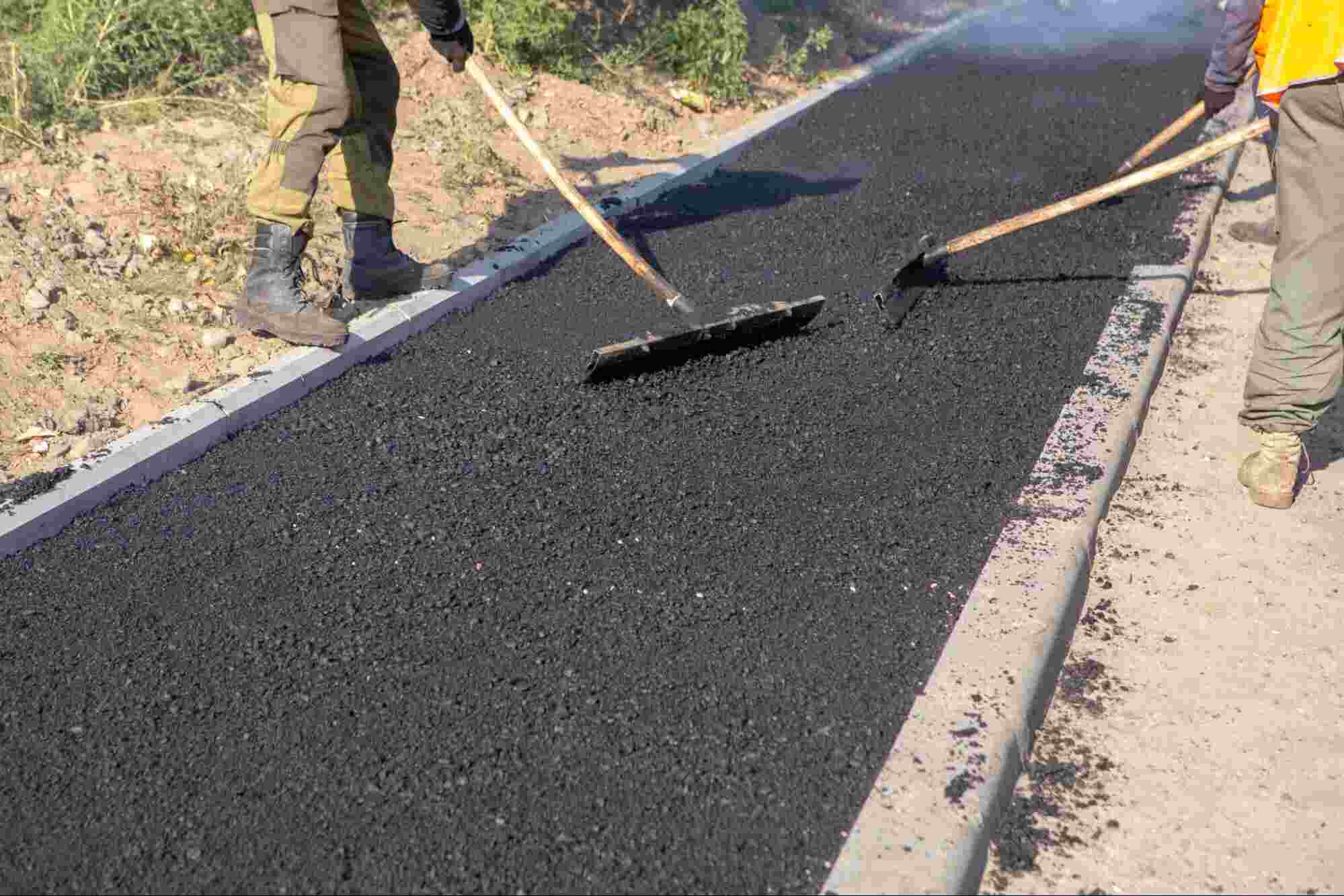
Why Choose A Recycled Asphalt Driveway?
A recycled asphalt driveway is often chosen because it balances cost, performance, and sustainability. It reuses existing pavement material instead of sending it to landfill, while still providing a driveway surface that can be more stable than loose gravel.
For homeowners, recycled asphalt can be a good fit when an existing gravel driveway is dusty, messy, or difficult to maintain. For contractors, it can be a useful bulk material for driveways, parking pads, and access lanes where the goal is a compacted surface without the cost or process of full asphalt paving.
Recycled asphalt can also provide a darker, more finished look than some gravel products. This can make a driveway appear cleaner and more defined, especially when the edges are properly shaped and the surface is compacted evenly. It can also reduce loose stone movement compared to some gravel surfaces, although occasional maintenance may still be needed.
The main advantages of a recycled asphalt driveway include:
- Reuses existing asphalt material instead of relying entirely on new aggregate
- Can compact into a firmer surface than loose gravel
- Helps reduce dust compared to some road gravel surfaces
- Often costs less than new asphalt or poured concrete
- Works well for driveways, parking pads, pathways, and access lanes
- Can be installed in bulk without individual bags or excess packaging
- Provides a more finished look than many loose aggregate surfaces
These benefits depend on proper installation. If the driveway is poorly graded, too thin, installed over soft ground, or left uncompacted, recycled asphalt may shift, rut, or drain poorly. The material performs best when the base and installation method match the traffic and site conditions.
How Durable Is a Recycled Asphalt Driveway?
The durability of a recycled asphalt driveway depends on the material depth, base condition, compaction, drainage, and amount of traffic. When properly installed, it can create a firm and functional surface for residential driveways and light-duty access areas. It is especially useful where homeowners want an improvement over loose gravel but do not need a newly paved asphalt driveway.
Recycled asphalt becomes more stable when it is compacted well. Compaction pushes the crushed asphalt particles together, helping the material lock into place. Warm weather and vehicle traffic can also help the surface settle over time. However, it is important to understand that recycled asphalt is not identical to hot mix asphalt. It will not automatically seal into a perfectly smooth, solid pavement layer unless it is processed and installed through a paving method designed for that result.
Drainage is one of the biggest factors affecting durability. If water sits on the driveway, freezes in low spots, or drains toward the wrong area, the surface can soften, shift, or develop ruts. Proper slope and base preparation are critical, especially in Calgary where freeze-thaw conditions can put pressure on driveway surfaces.
A strong driveway may also require a compactable base underneath. In some situations, 20mm Road Gravel may be used as a base or comparison material because it is a sand and gravel mix commonly used for compacting under concrete, paving stones, driveways, and parking pads. For a deeper explanation of this type of aggregate, read our article What Is Road Gravel? Types, Uses, And Benefits For Durable Roads explains how road gravel supports durable roads, driveways, pathways, and drainage solutions.
How Does Recycled Asphalt Compare to Road Gravel?
Recycled asphalt and road gravel are both used for driveways, but they perform differently. Road gravel is usually selected for compacted base strength and practical gravel surfaces. Recycled asphalt is often selected when the property owner wants a firmer, darker surface with less dust than a standard gravel driveway.
Road gravel can be a strong choice for driveways, parking pads, and base layers because it contains a mix of sand and gravel that compacts well. It can also be used under concrete slabs, paving stones, and other hard surfaces. If a driveway needs a stable base before another surface layer is installed, road gravel may be part of the project plan.
Recycled asphalt, on the other hand, contains reclaimed asphalt material. That gives it different compaction behaviour and surface texture. It can feel more finished than loose gravel and may reduce dust, but it still needs correct grading and compaction. It should not be installed over a weak base and expected to fix drainage or stability problems on its own.
For some driveways, the best approach may involve both materials. Road gravel may help establish a compacted foundation, while recycled asphalt may be used as the surface layer. The right setup depends on the driveway’s condition, expected traffic, and how much existing base material is already in place.
If the project involves larger equipment, repeated vehicle traffic, or a parking area that needs a firm base, a compactable material such as Recycled Concrete may also be worth comparing. Our article Why And How To Use Recycled Concrete For Your Projects explains how processed concrete can be reused as a durable aggregate for construction and landscaping projects.
How Does Recycled Asphalt Compare to Recycled Concrete?
Recycled asphalt and recycled concrete are both reuse-focused aggregate products, but they are not the same material. Recycled asphalt comes from old asphalt pavement. Recycled concrete comes from crushed concrete that has been processed into reusable aggregate. Each material has different strengths.
A recycled asphalt driveway is typically chosen for a driveway surface where a darker, firmer, less dusty finish is desired. It can be a good option for residential driveways, parking pads, and access paths where the surface needs to handle vehicle traffic while keeping a cleaner appearance than loose gravel.
Recycled concrete is often used as a compactable base material. It is a durable compaction material made from crushed concrete pieces and can be used as an alternative to road gravel. That makes it relevant for base preparation, construction access, and areas where strength and compaction are the main priorities.
For driveway planning, recycled concrete may be considered when the base needs improvement before the surface material is installed. Recycled asphalt may then be selected for the surface layer if the property owner wants a more driveway-ready finish. However, not every site requires both. A driveway with an existing strong base may only need proper grading and a recycled asphalt surface, while a soft or poorly draining area may need more base correction first.
The key is to decide what the project needs most. If the driveway needs base strength, recycled concrete or 20mm Road Gravel may be more relevant. If the driveway needs a compacted surface with less dust and a darker finish, recycled asphalt may be the better fit.
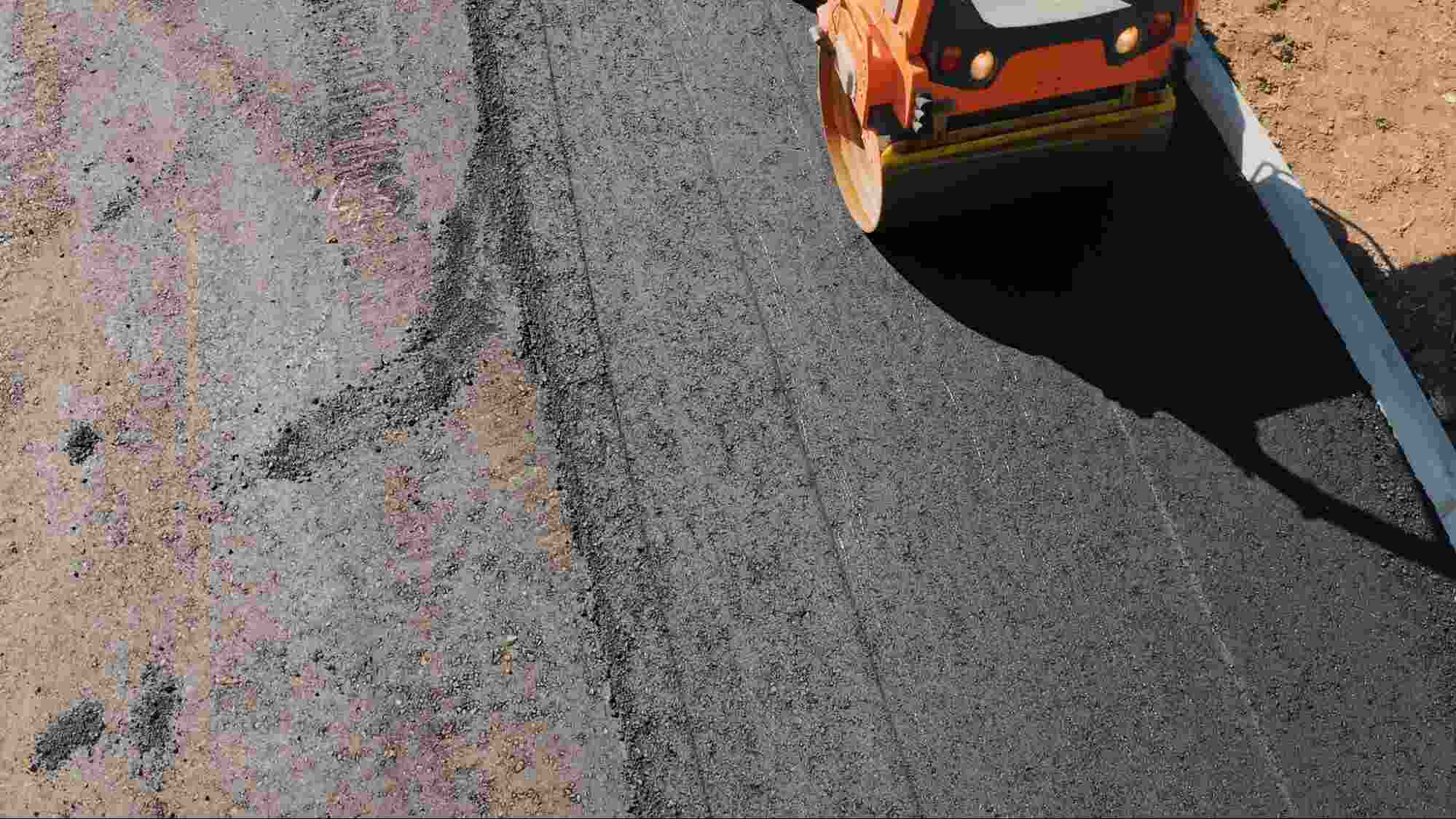
How Does Recycled Asphalt Compare to Crushed Limestone Fines?
Crushed limestone fines are another material homeowners often consider for driveways and pathways. They are different from recycled asphalt because they are made from finely crushed limestone rather than reclaimed asphalt pavement.
Soil Kings’ 10mm Limestone Fines are commonly used for pathways and driveways where a smooth, compacted surface is required. They can create a clean, light-coloured finish and are often selected for walking paths, compacted decorative areas, and driveway surfaces where limestone’s appearance is preferred.
A recycled asphalt driveway usually creates a darker surface and may be selected when dust control, compaction, and a more asphalt-like look are important. 10mm limestone fines create a lighter surface and may be better suited for pathways, decorative driveways, or areas where a grey-white finish fits the surrounding landscape design.
For an in depth explanation, read our article Crushed Limestone Fines For Driveways And Pathways to learn how limestone fines can compact into a smooth, stable surface. This makes it a useful comparison when deciding between recycled asphalt and a lighter aggregate surface.
Both products require proper installation. Limestone fines need compaction and grading to reduce movement and low spots. Recycled asphalt also needs compaction and drainage planning. Neither material should be placed over unstable soil without addressing the base first.
What Base Preparation Does a Recycled Asphalt Driveway Need?
Base preparation is one of the most important parts of installing a recycled asphalt driveway. The surface will only perform as well as the ground beneath it. If the base is soft, wet, uneven, or poorly compacted, the recycled asphalt may rut, shift, or settle.
The first step is to review the existing driveway condition. If the current surface is mostly stable and already has a compacted base, the project may only require grading, minor shaping, and the correct recycled asphalt depth. If the surface has potholes, soft spots, poor slope, or drainage problems, those issues should be corrected before the new material is installed.
A proper driveway base should be firm, well graded, and shaped to move water away from buildings, garages, and low areas. In some cases, additional aggregate may be required. 20mm Road Gravel or Recycled Concrete may be used where compaction and base support are needed. For areas where water movement is part of the issue, 40mm Drain Rock can be used in drainage zones rather than as the main driveway surface.
Driveway depth also matters. A thin layer may not provide enough material to compact properly or hold up to regular traffic. The right depth depends on the existing base, vehicle weight, and whether the driveway is residential, rural, or contractor-used. Heavier traffic usually requires more attention to base strength and compaction.
How Is Recycled Asphalt Installed?
A recycled asphalt driveway is usually installed by preparing the base, spreading the material evenly, grading it to the correct slope, and compacting it firmly. The process is straightforward, but the details matter.
The existing area should be cleared of loose debris, soft material, and major uneven spots. If the driveway needs a stronger base, compactable aggregate such as road gravel or recycled concrete can be placed first. Once the base is ready, Recycled Asphalt is spread across the surface at the planned depth. It should be graded so water moves off the driveway instead of sitting in the centre or along the edges.
Compaction is the step that often determines how well the surface performs. A roller or plate compactor helps bind the material together and reduce loose movement. For larger driveways, professional compaction equipment can make a noticeable difference. Vehicle traffic alone may help over time, but relying only on normal driving can leave the surface uneven or under-compacted.
Edges should also be considered. Without clean edges, recycled asphalt can spread into lawns, garden beds, or adjacent areas. Edging, shoulders, or proper shaping can help keep the driveway contained. Where the driveway connects to landscaping, products like 20mm Limestone or 40mm Limestone may be used in nearby decorative or stabilizing areas, but they should not be confused with structural materials such as recycled asphalt, 20mm road gravel, or recycled concrete.
Why Does Drainage Matter for Recycled Asphalt Driveways?
Drainage is critical for any driveway surface. A recycled asphalt driveway can be durable, but standing water can still create problems. Water that collects in low spots can soften the base, freeze, expand, and contribute to surface movement.
A good driveway should have a clear slope. In most cases, water should move away from the garage, foundation, and main travel surface. Low areas should be filled and compacted before the final layer is placed. If water regularly crosses the driveway, the project may need drainage improvements before surface material is added.
Specific drainage products such as 40mm Drain Rock can support problem areas where larger void space is needed for water movement. It may be used along edges, near culverts, or in drainage features, depending on the site. Our article Drain Rock: Uses For Landscaping And Construction explains how drain rock supports water management around foundations, retaining walls, pathways, and low areas.
Washed sand may also be used in some bedding or backfill situations, but it is not a direct replacement for a compacted driveway surface. 5mm Washed Sand may support paver bases, concrete mixing, and drainage-related applications, but compactable aggregate materials are more relevant when the goal is a driveway surface or base.
How Long Does a Recycled Asphalt Driveway Last?
A recycled asphalt driveway requires less maintenance than some loose gravel surfaces, but it is not maintenance-free. Over time, traffic, snow removal, water movement, and freeze-thaw cycles can affect the surface. Regular inspection helps catch small issues before they turn into larger repairs.
Low spots should be filled before they hold water. Edges may need reshaping if material spreads outward. Areas with repeated turning, braking, or heavy parking may need occasional regrading or additional material. If the surface becomes loose, compaction can help restore firmness.
Snow removal should be done carefully, especially during the first season after installation. A snow blade set too low can scrape or disturb the surface. Allowing the recycled asphalt to settle and compact properly can improve long-term performance.
Dust is usually less of a concern with recycled asphalt than with some gravel products, but site conditions still matter. Dry weather, loose installation, or poor compaction can create surface movement. Proper installation remains the best way to reduce ongoing maintenance.
For property owners comparing long-term options, recycled asphalt can be seen as a practical middle option. It is more stable and finished than many gravel surfaces, but less formal than hot mix asphalt or concrete. Its performance is strongest when expectations match the material.
What Should You Consider Before Ordering Recycled Asphalt?
Before ordering recycled asphalt, measure the driveway length, width, and target depth. This helps estimate the volume required and reduces the chance of ordering too little or leaving too much material on site. Driveways with curves, parking pads, wide entrances, or uneven areas may need extra planning.
Access is also important. Bulk material needs a suitable drop location that is clear, accessible, and close enough to the work zone to reduce handling. For long driveways or larger projects, it may be helpful to plan where each load should be placed so spreading is more efficient.
Soil Kings supplies loose bulk materials instead of individual bags, which can be useful for driveway projects that require larger volumes. Bulk ordering can reduce packaging waste and make installation more efficient because material can be delivered loose or loaded directly into a truck or trailer.
What Should Homeowners and Contractors Understand Before Choosing a Recycled Asphalt Driveway?
A recycled asphalt driveway should be viewed as a compacted driveway surface rather than a direct replacement for professionally paved hot asphalt. It can provide a firmer, darker, and less dusty surface than many gravel driveways, but its performance depends on base preparation, grading, material depth, compaction, drainage, and traffic conditions.
The most effective approach starts with understanding what the driveway needs. If the base is already stable, recycled asphalt may be used as a suitable surface layer. If the driveway has soft spots, poor drainage, or weak structure, additional base or drainage materials may need to be considered as part of the overall plan.
When recycled asphalt is selected and installed correctly, it can support a durable, cost-conscious, and lower-waste driveway surface for residential and light-duty applications. For homeowners, landscapers, and contractors planning driveway work, Soil Kings can help supply the bulk materials needed for the application and support a better long-term result. Order now to schedule pickup or delivery for the driveway materials your project requires.