

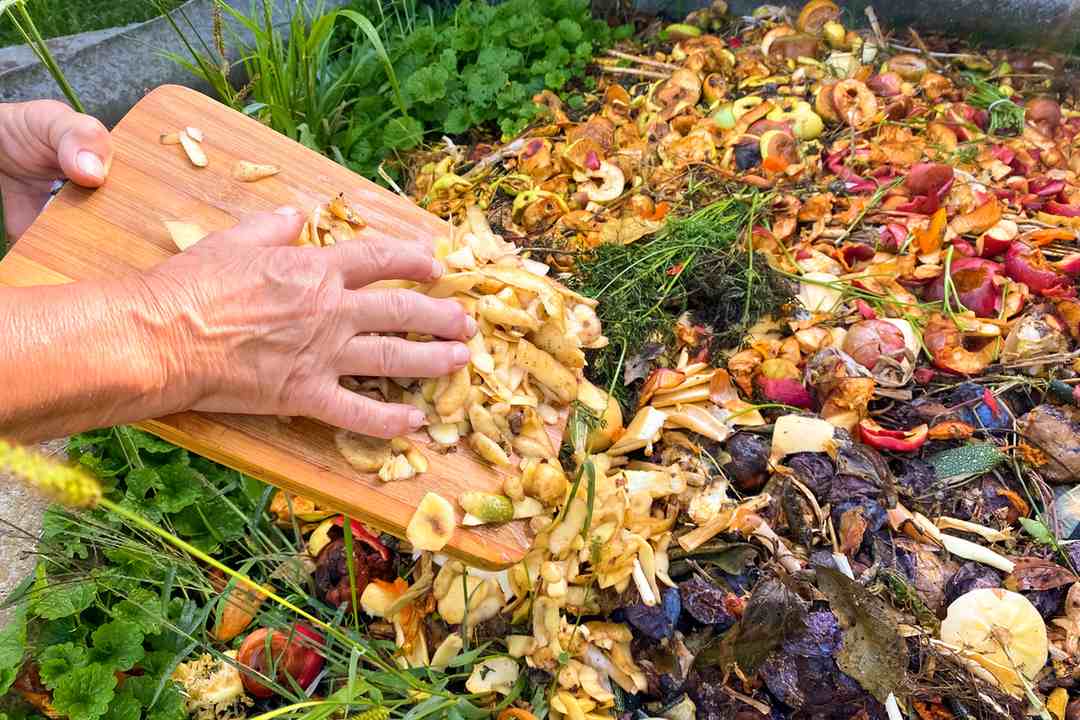
Building a compost pile is one of the most practical ways to turn everyday organic material into something useful for garden soil. Instead of sending leaves, plant trimmings, and suitable kitchen scraps away as waste, composting allows those materials to break down into an organic amendment that can improve soil structure, moisture management, and nutrient availability.
For Calgary gardeners, compost can be especially useful when dealing with compacted planting beds, soil that dries quickly, or gardens that have been planted repeatedly for several seasons. Finished compost does not replace the mineral soil that gives a garden its basic structure. Instead, it adds decomposed organic matter that improves growing conditions around plant roots.
A successful compost pile does not require complicated equipment. The basic process depends on combining carbon rich and nitrogen rich materials, maintaining enough moisture, allowing air into the pile, and giving microorganisms time to break everything down. Understanding those basics makes it easier to produce compost that can eventually be worked into flower beds, vegetable gardens, and other planting areas.
What Does a Compost Pile Need to Work Properly?
Composting is a biological decomposition process. Bacteria, fungi, and other organisms break organic material into progressively smaller and more stable forms. For that process to work efficiently, the pile needs food, moisture, oxygen, and a suitable environment.
The two broad groups of compost ingredients are often described as browns and greens. Browns are generally dry, carbon rich materials such as fallen leaves, small amounts of shredded cardboard, dry plant stems, and untreated woody material. Greens tend to contain more nitrogen and moisture. Examples include fresh grass clippings, vegetable scraps, coffee grounds, and fresh plant material.
The goal is not to measure every ingredient precisely. A home compost pile generally performs better when it contains a varied mixture rather than a large amount of one material. Too many wet grass clippings can form a dense layer with limited airflow. Too many dry leaves may break down very slowly. Mixing the materials creates a better environment for decomposition.
Water matters as well. A completely dry pile will break down slowly because microorganisms need moisture. A saturated pile causes the opposite problem because water fills spaces that would normally contain air. The material should generally feel evenly moist rather than dripping wet.
Air completes the process. Turning or loosening the pile periodically introduces oxygen and prevents the centre from becoming excessively dense. Our DIY Guide to Composting also recommends mixing the pile and adding water when conditions become hot and dry.
What Should You Put in a Compost Pile?
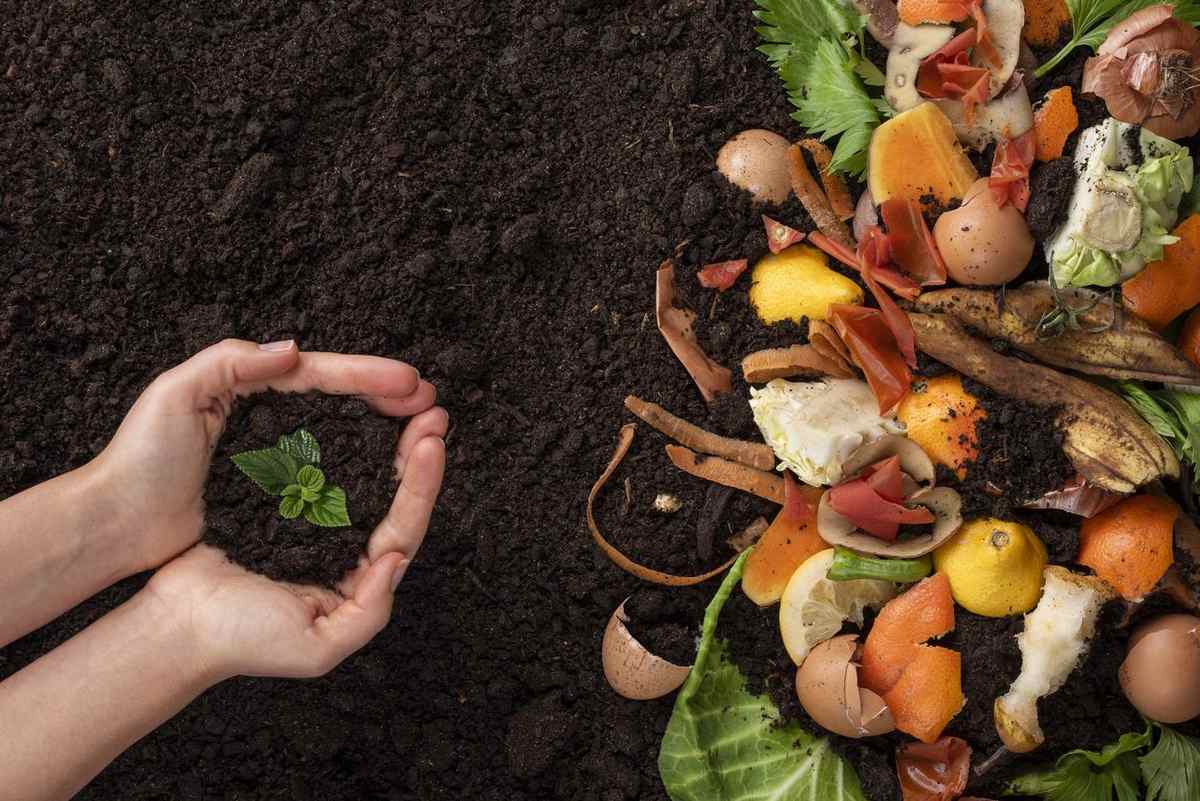
Many ordinary garden and household materials can be composted instead of discarded. The important part is choosing materials that will decompose effectively without creating unnecessary problems.
Suitable compost materials commonly include:
- Dry leaves and small garden trimmings
- Fresh grass clippings in moderate quantities
- Vegetable and fruit scraps
- Coffee grounds and paper coffee filters
- Crushed eggshells
- Wilted flowers and healthy plant material
- Small amounts of shredded, uncoated cardboard or plain paper
- Fine untreated wood material and small twigs
- Finished garden plants that are not diseased or producing mature weed seeds
Avoid treating the compost pile like a general waste bin. Meat, dairy products, cooking oils, pet waste, heavily treated wood, and other materials that can create odours, attract animals, or introduce contaminants are better left out of a typical backyard compost system.
Diseased plant material also deserves some caution. A backyard pile may not reach or maintain temperatures high enough to deal reliably with every plant pathogen. Mature weed seeds can create a similar problem. Keeping questionable material out is usually easier than trying to correct the pile later.
A varied mixture also produces better finished compost than a pile dominated by one ingredient. The end result should be thoroughly decomposed organic matter rather than recognizable layers of grass, leaves, or food scraps.
How to Build a Compost Pile Step by Step
Start by choosing a practical location. The pile should be easy enough to reach so that adding material and turning it does not become a chore. It should also have enough room for air circulation and access to water when conditions become dry.
A compost bin can keep a small yard tidy, but an open pile can work as well when there is enough space. Direct contact with the ground also allows organisms already present in the soil to interact with the material.
Begin with a loose layer of coarse brown material. Small twigs, dry stems, and leaves can help prevent the bottom from becoming densely packed. Add a mixture of green and brown material above it rather than building several thick layers of the same ingredient.
When adding kitchen scraps, cover them with dry leaves or another brown material. This helps balance moisture and makes food scraps less accessible to pests. Large material can also be broken into smaller pieces before being added because smaller pieces provide more surface area for decomposition.
Check the moisture periodically. A dry compost pile may need water, particularly during warm and dry Calgary weather. A saturated pile should not receive more water. Instead, loosen the material and add dry carbon rich ingredients if needed.
Turn the compost periodically with a garden fork or shovel. Turning mixes newer material with partially decomposed material while introducing fresh air. An exact schedule is not necessary. If the pile is compacted, smells unpleasant, or is breaking down unevenly, mixing it can help.
Home compost may take several months or longer to mature depending on the pile size, ingredients, moisture, temperature, and how actively it is managed. The goal is steady decomposition rather than achieving compost as quickly as possible.
How to Tell When Your Compost Is Finished
One common composting mistake is using the material before it has broken down sufficiently.
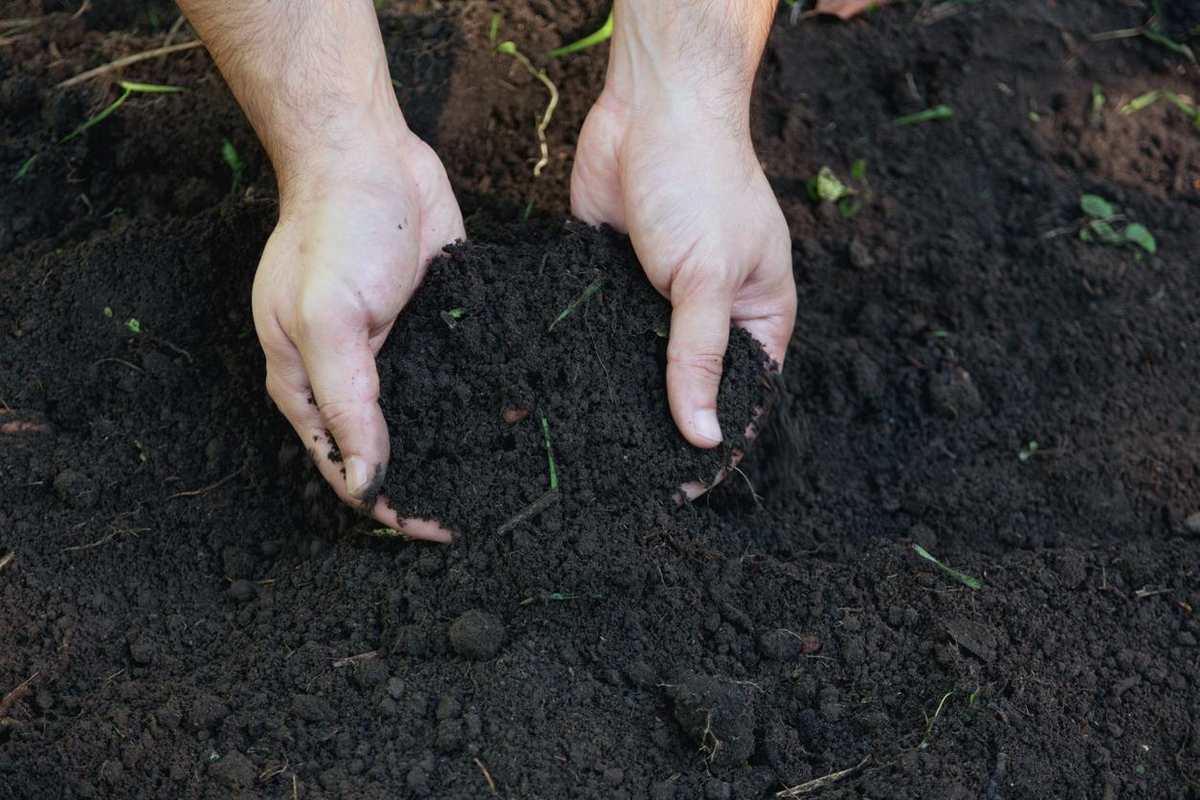
Finished compost should look substantially different from the original ingredients. Apart from an occasional twig or resistant woody piece, individual materials should be difficult to identify. The compost should be dark, crumbly, and relatively uniform, with an earthy smell rather than the smell of fresh food scraps or decomposing grass.
Temperature can also provide a clue. An actively decomposing compost pile may become noticeably warm. As the easily decomposed material is consumed and the compost approaches maturity, that activity slows.
Allowing compost to mature matters because unfinished material is still breaking down rapidly. Incorporating large amounts of immature material into a root zone can make soil conditions less predictable.
For gardeners who need finished material immediately rather than waiting for a backyard pile to mature, Soil Kings’ Aged Compost provides an already processed organic amendment for existing garden and flower bed soil.
How a Compost Pile Improves Garden Soil
The main benefit of composting is not simply reducing household waste. Finished compost can improve the physical and biological condition of garden soil.
Healthy soil has several jobs. Roots need pore space for air and water movement, sufficient moisture without remaining saturated, and access to nutrients. Our article Soil and Plant Nutrition: How Soil Affects Your Garden explains how soil structure, organic amendments, nutrients, and microorganisms influence plant performance in detail.
In dense soil, decomposed organic matter can help create a more workable structure. In lighter soils that lose moisture quickly, it can improve water holding capacity. Compost also adds nutrients and provides organic material that supports biological activity in the root zone.
That does not mean more compost is always better. Garden soil still needs enough mineral material and structure to drain properly and support plants. Filling a garden bed entirely with compost is different from improving soil with compost.
This balance is reflected in prepared growing mixes. Soil Kings’ 70/30 Garden Mix combines screened loam with aged compost. KINGS Premium 50/50 Mix combines screened loam with aged compost and fine mulch. Both maintain a soil component rather than using compost as the entire planting medium.
For more information on how organic materials contribute to productive garden soil, read our article Organic Soil Blends for Healthier Plants to understand the relationship between organic matter, soil structure, water retention, and plant performance.
How Much Compost Should You Add to Garden Soil?
The amount of compost required depends on the condition of the existing soil and the type of project.
An established garden with reasonably good soil may only need compost incorporated through the upper growing area. A bed with poor structure may require more significant improvement. A new raised garden requires a complete growing medium rather than simply a layer of compost.
One useful principle is to mix compost into existing soil when the goal is root zone improvement. Leaving a thick isolated compost layer can create a noticeable difference in texture between the amendment and the surrounding soil.
It is recommended to work Aged Compost into existing flower and vegetable garden soil instead of treating straight compost as the entire growing medium.
When a garden requires substantial new soil, Screened Topsoil can provide the mineral base needed for planting and grade work. Organic amendments can then be incorporated according to the needs of the bed.
For new planting areas, 70/30 Garden Mix provides a straightforward combination of loam and compost. More intensive vegetable and flower gardens may benefit from a richer blend such as KINGS Premium 50/50 Mix, depending on the existing conditions.
For additional information, our guide to the Best Gardening Soil Mix for Healthy Plants provides additional detail on why topsoil, compost, and other organic materials perform different jobs within a productive garden bed.
Using Compost in Vegetable and Raised Gardens
Vegetable gardens can respond particularly well to regular soil improvement because crops draw heavily on available nutrients and moisture during a relatively short growing season.
Finished compost can be incorporated before planting and used to replenish organic matter between seasons. The goal is to maintain a loose, workable root zone rather than continually adding material without considering the soil below.
Raised beds require similar attention. Because the growing medium is contained, its structure and volume can change as organic material decomposes and the soil settles. Adding mature compost can replenish organic matter, but the bed still needs enough mineral soil to maintain structure.
For gardeners looking to add another organic amendment to selected planting areas, Worm Castings Soil Amendment can be incorporated alongside compost and a balanced soil base. Worm castings are used as an amendment, rather than as a replacement for the bulk soil itself.
For more guidance on contained gardens, our article Best Soil for Raised Garden Beds: A Guide to Healthy, Thriving Plants explains how drainage, moisture retention, organic matter, and soil structure work together in above ground beds.
Common Compost Pile Problems and How to Correct Them
A compost pile usually gives noticeable signs when its balance is off.
A sour or rotten smell often means the pile is too wet, too dense, or not getting enough airflow. Turning the material and adding dry brown ingredients can help restore better conditions.
A pile that seems unchanged for a long period may be too dry or contain too much coarse carbon rich material. Adding moisture when needed and mixing in appropriate green material can help restart decomposition.
Food scraps left on the surface can attract animals. Burying them near the centre of the pile and covering them with dry material can help reduce the problem.
Large amounts of grass clippings can also become dense quickly. Grass is useful compost material, but mixing it with dry leaves, shredded cardboard, or other brown material helps maintain better airflow and structure.
Before adding specialized products to correct a compost problem, check the basics first. Moisture, airflow, ingredient balance, and time usually have the biggest effect on how well a compost pile breaks down.
What to Do After Adding Compost to the Garden
Improving the root zone is only part of maintaining healthy garden soil. The exposed soil surface also affects moisture loss, weed development, and temperature changes.
Organic mulch can complement compost by protecting the surface after planting. Bowcrow Mulch™ can help conserve moisture and cover exposed soil. In sheltered planting areas, Montane Garden Mulch provides a finer textured option for garden beds.
For trees, shrubs, and decorative beds, Cedar Mulch provides a more durable shredded surface material, while Parkland Premium Plus™ offers another organic mulch option for moisture retention and plant insulation.
Compost and mulch should not be treated as the same material. Compost is primarily used to improve the soil itself. Mulch generally sits on top of the soil to protect the surface. Organic mulch will gradually break down and contribute some organic matter, but its immediate purpose is different.
Building Better Soil Starts With Organic Matter
A productive compost pile gives gardeners a practical way to turn leaves, garden trimmings, and appropriate kitchen scraps into useful organic matter. When the pile has the right balance of moisture, air, and compostable materials, the finished compost can help improve soil structure, moisture retention, nutrient availability, and overall growing conditions.
The key is to let the compost mature fully and use it as a soil amendment rather than treating it as a complete replacement for garden soil. Existing beds may benefit from finished compost worked into the root zone, while new planting areas may need a balanced combination of soil and organic matter from the start.
Soil Kings supplies aged compost, screened topsoil, garden mixes, worm castings, and organic mulch in bulk throughout Calgary and surrounding communities, with materials delivered loose or loaded directly into trucks without plastic bags.
For homeowners, landscapers, and contractors improving garden soil or preparing new planting areas, these materials can help support better soil structure, moisture retention, and long term plant performance. Order now to get the bulk soil and garden materials your project needs, delivered or ready for pickup.